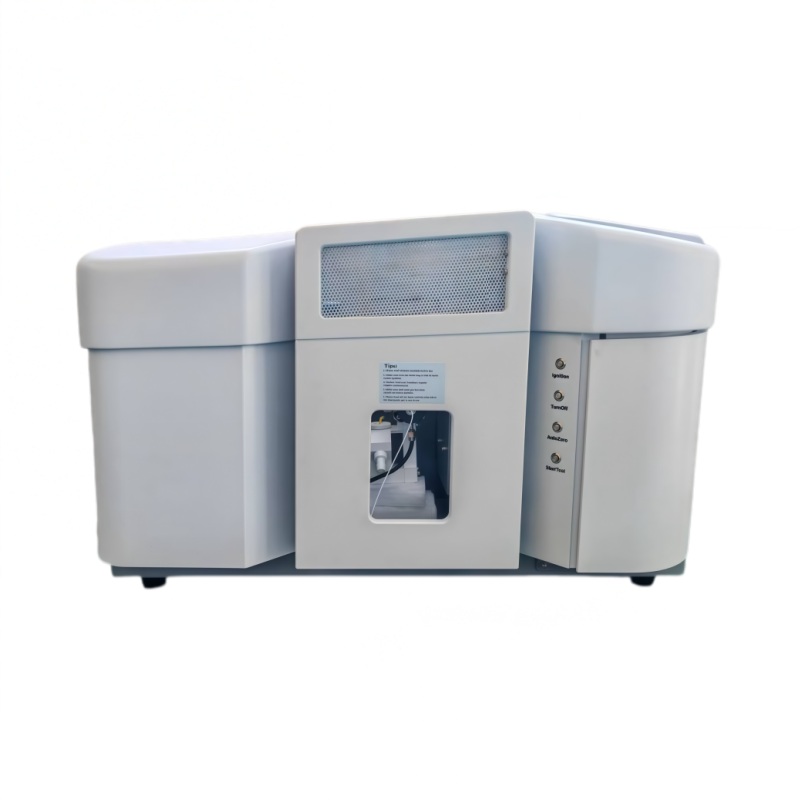
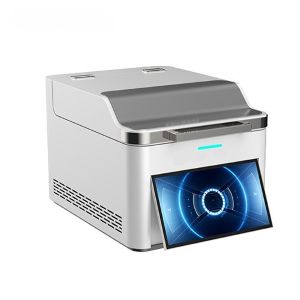
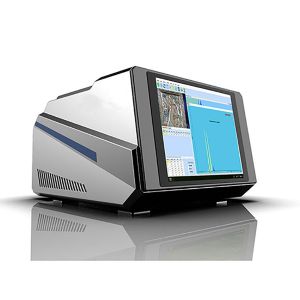
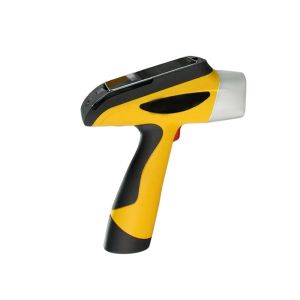
UV-vis Spectrophotometer & Atomic Absorption Spectrophotometer Core Differences
UV-vis Spectrophotometer & Atomic Absorption Spectrophotometer Core Differences in Heavy Metal Detection
1. Principle Differences
-
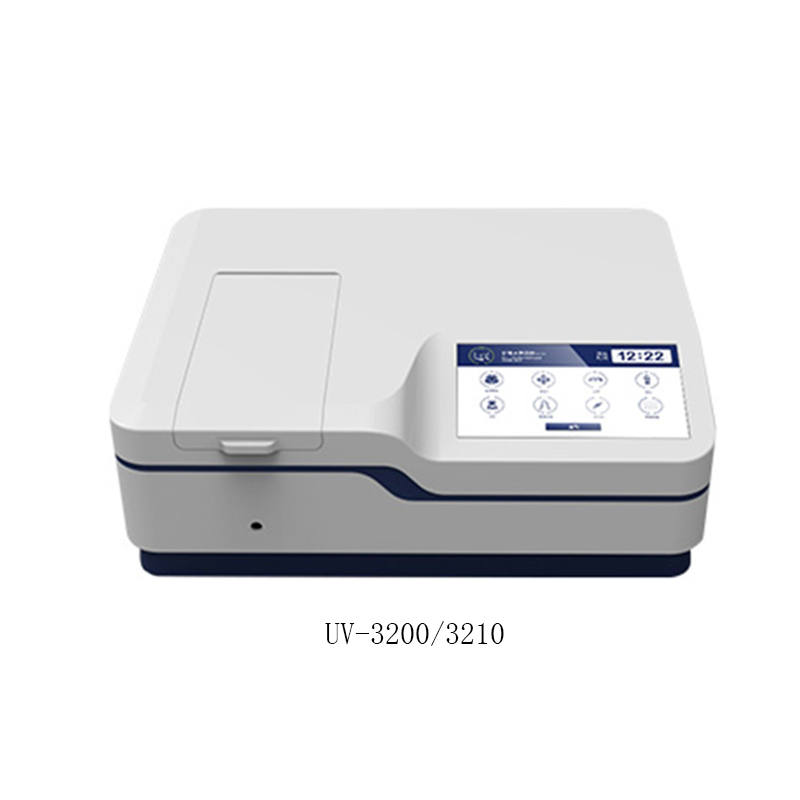
UV Spectrophotometer (UV)Heavy metals react with chromogenic reagents to form colored complexes; absorbance is measured in the UV-visible region. It belongs to molecular absorption spectroscopy.
-
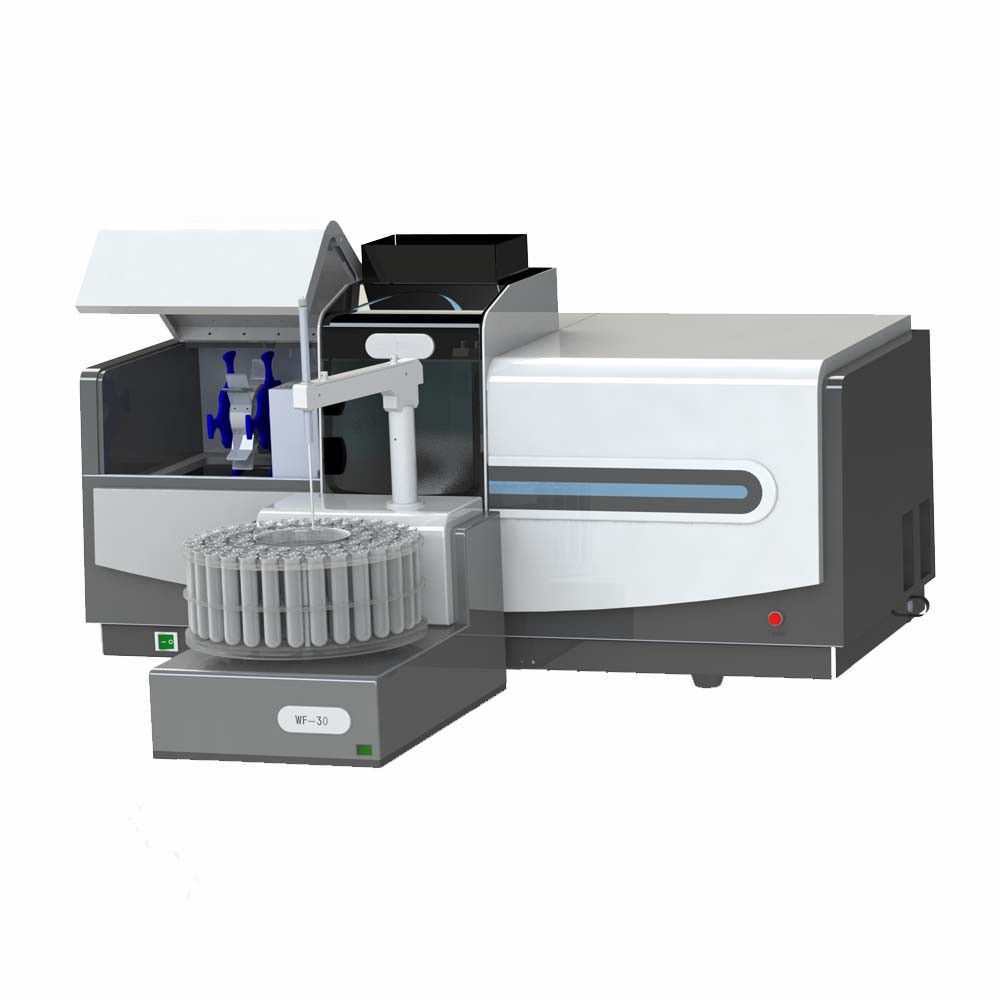
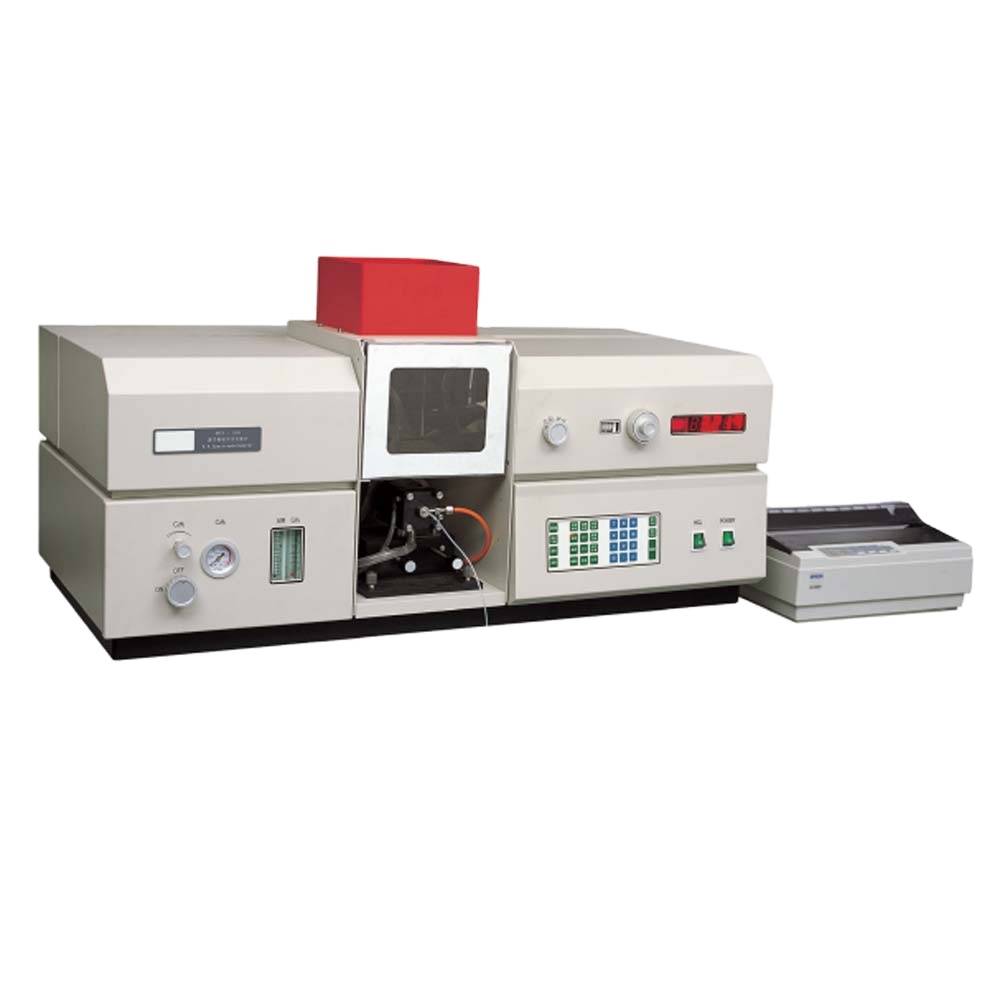
Atomic Absorption Spectrophotometer (AAS)
Samples are digested at high temperature to form ground-state atomic vapor. The characteristic light from a hollow cathode lamp is absorbed by atoms. It belongs to atomic absorption spectroscopy.
2. Detection Performance Differences
1). Detectable Elements
- UV: Only detects total heavy metals (total copper, total chromium, total nickel, etc.). Cannot distinguish individual elemental types; relies on reagent selectivity for qualitative analysis.
- AAS: Precise determination of single elements. Accurately tests copper, iron, manganese, zinc, lead, cadmium, chromium, nickel and other metals one by one.
2). Sensitivity & Detection Limit
- UV: High detection limit; only suitable for high-concentration heavy metals. Poor accuracy for micro and trace amounts.
- AAS: Extremely low detection limit; ideal for micro and trace heavy metal detection in water, food and soil.
3). Anti-interference Ability
- UV: Susceptible to interference; impurities and other metals in water easily cause color reaction, leading to large errors.
- AAS: High selectivity with little interference; test data is more stable and accurate.
-
3. Operation & Sample Pre-treatment
- UV: Simple pretreatment; no complex digestion required. Only need to add chromogenic reagent, stand still and constant volume. Low cost and fast testing speed.
- AAS: Strictly requires acid digestion and acid removal. Complicated pretreatment; needs standard curve calibration and instrument preheating. High consumption and operating cost.
4. Application Scenarios
UV Spectrophotometer
- Rough detection of high-concentration heavy metals in sewage
- On-site rapid screening and large-batch preliminary testing
- Low-budget occasions with no requirement for trace precision
Atomic Absorption Spectrophotometer
- National standard compliance testing: drinking water, environmental water quality, food, pharmaceutical and soil testing
- Accurate quantification of trace toxic heavy metals such as lead and cadmium
- Essential equipment for third-party laboratories and official test report issuance
5. Summary
UV: Low cost & simple operation, rough test for high concentration, only for screening.
AAS: High precision & high sensitivity, detects trace heavy metals, used for national standard test reports.