- CSA-900
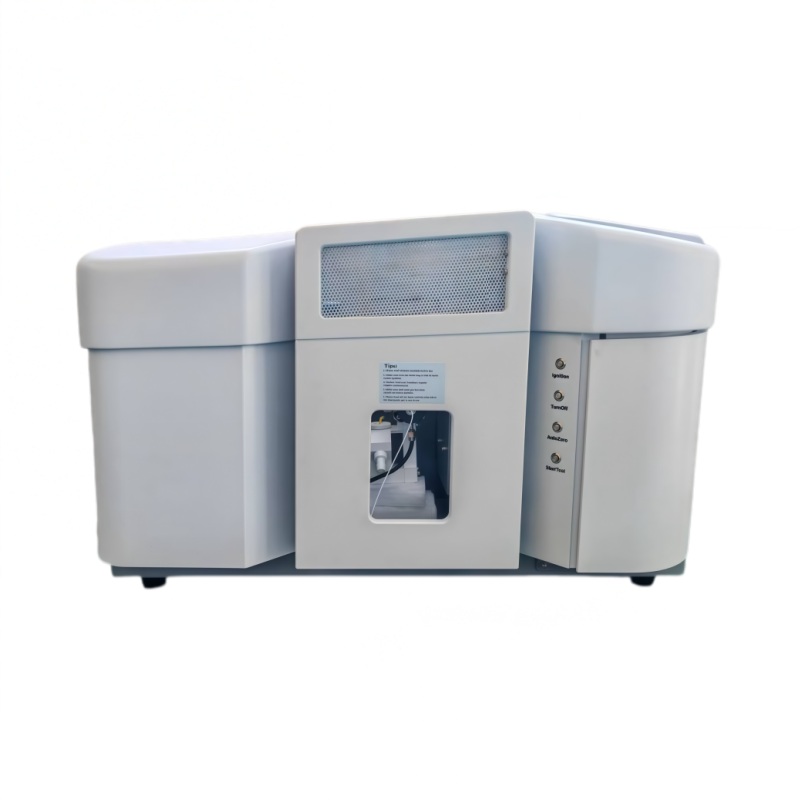
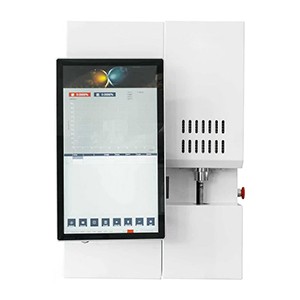
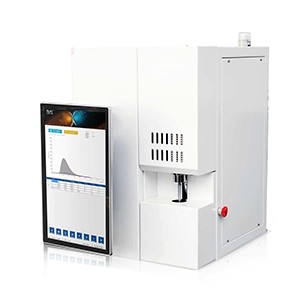
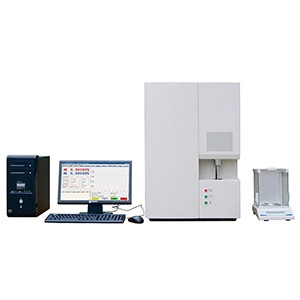
The high-frequency infrared carbon and sulfur analyzer CSA-900 features an integrated design and is available in touchscreen and PC versions. The instrument uses a high-frequency induction heating furnace or a tubular resistance furnace (dual-furnace configuration) to burn the sample, releasing carbon dioxide and sulfur dioxide gases. The concentrations of carbon dioxide and sulfur dioxide are det
Product Description
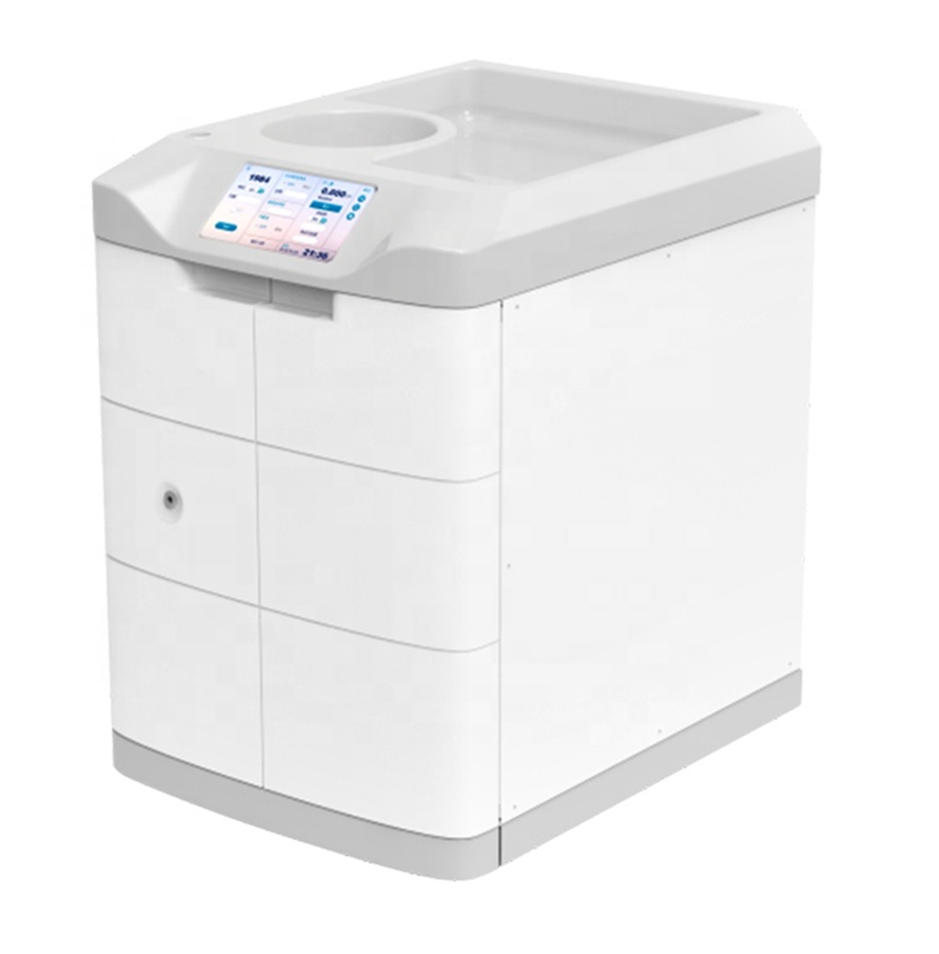
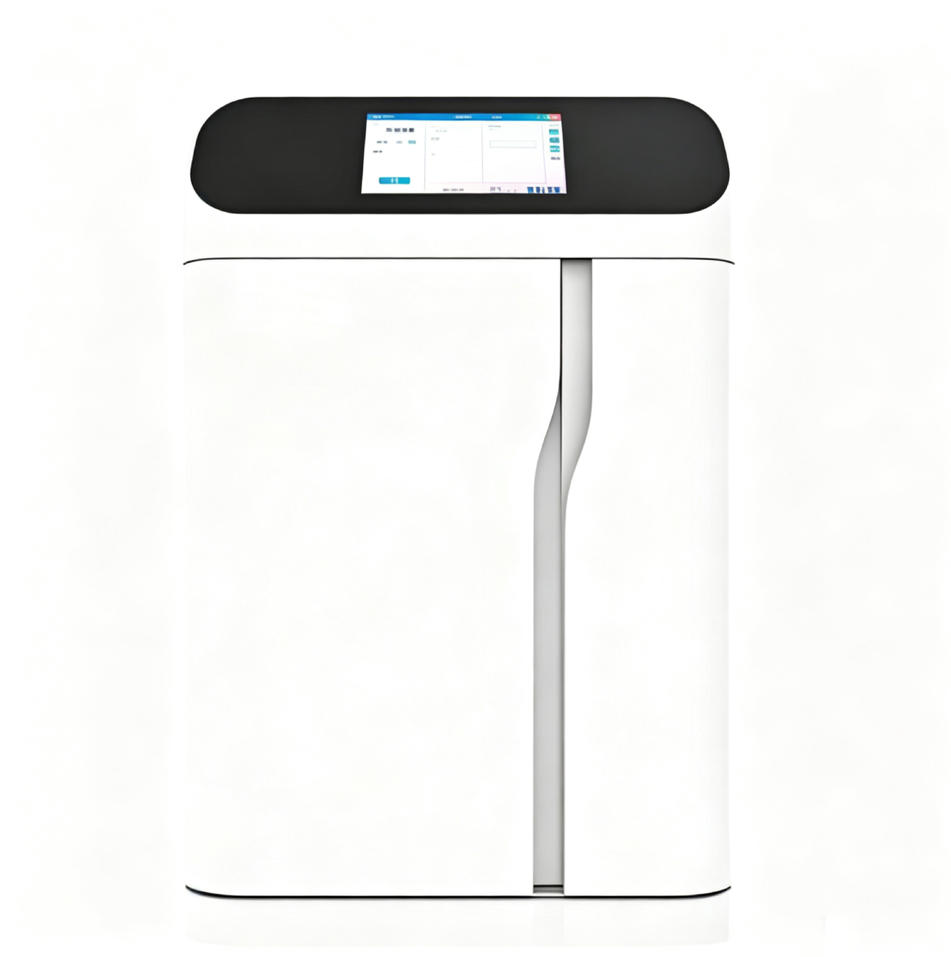
The high-frequency infrared carbon and sulfur analyzer CSA-900 features an integrated design and is available in touchscreen and PC versions. The instrument uses a high-frequency induction heating furnace or a tubular resistance furnace (dual-furnace configuration) to burn the sample, releasing carbon dioxide and sulfur dioxide gases. The concentrations of carbon dioxide and sulfur dioxide are detected by a specific wavelength infrared absorption detector. Dedicated software then calculates the mass fractions of carbon and sulfur from the gas concentrations.
Product Features
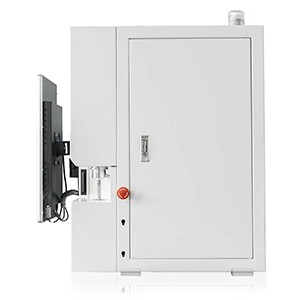
1. Integrated desktop design, aesthetically pleasing and technologically advanced;
2. Key components such as detectors, filters, and solenoid valves all utilize imported parts; upgraded dual carbon and dual sulfur cells effectively expand the measurement range;
3. Modular design of the overall control circuit improves instrument reliability;
4. Windows-based fully Chinese operating interface, user-friendly and easy to learn;
5. Comprehensive software functions, providing over forty features including document help, system monitoring, editing methods, mathematical statistics, quality control analysis, single/multi-point calibration, system diagnostics, and language switching;
6. Dynamic display of various data and carbon and sulfur release curves during the analysis process;
7. Carbon monoxide and carbon dioxide conversion analysis technology;
8. Wide and expandable linear measurement range;
9. High-frequency circuit uses a military-grade metal-ceramic packaged 6KVA high-frequency power transistor, reducing the load on the combustion system and extending its service life;
10. High-frequency, high-power operation, suitable for analyzing samples of different materials;
11. High-frequency furnace with programmed temperature rise, fully automatic cleaning, and fully automatic backflushing ash removal.
Technical Advantages
1. Advanced Technology
The CSA-900 is suitable for determining the mass fraction of carbon and sulfur in steel, non-ferrous metals, cement, ores, glass, ceramics, battery materials, and other metallic and non-metallic materials. The instrument uses a high-frequency induction heating furnace or a tubular resistance furnace (referring to a dual-furnace configuration) to burn the sample, releasing carbon dioxide and sulfur dioxide gases. The concentrations of carbon dioxide and sulfur dioxide are detected by a specific wavelength infrared absorption detector, and then dedicated software calculates the mass fraction of carbon and sulfur from the gas concentrations.
2. Simple and Reliable Gas System
The entire instrument adopts a modular design, significantly reducing the number of gas system connections and making the system simpler and more reliable.
Based on pneumatic principles, it features multi-channel oxygen supply, fully automatic backflushing for ash removal, and fully automatic furnace head cleaning, effectively reducing the impact of dust on sulfur analysis. An optional furnace head temperature control device is available to minimize the influence of temperature on analytical results, especially for more stable sulfur analysis.
All gas pipes and connectors use imported components from Sang-A Pneumatics Co., Ltd. (Korea). Solenoid valves and cylinders are imported from YPC (Korea) or AirTAc (Taiwan), with a lifespan exceeding one million cycles. The cylinders utilize oil-free lubrication technology, suitable for harsh field environments, fundamentally solving the reliability and sealing problems commonly found in domestic gas system products.
The gas system design incorporates a series of effective measures, including high-pressure ash removal, pulse backflushing for automatic cleaning, high-precision flow control, and pressure compensation, along with unique full-range calibration and linear compensation technologies, giving the instrument a wide detection range. The detection limits for carbon and sulfur can reach 99.99% and 99.99% respectively. Furthermore, the use of Sartorius (Germany) or Mettler (USA) electronic balances with a precision of 0.0001 g/L ensures that the analytical accuracy reaches internationally advanced levels.
3. The high-efficiency infrared detection system
Utilizes a core component—the infrared detection cell—that is a high-efficiency, long-life precious metal miniature infrared light source and a metal reflector. The modulation system employs a high-precision stepper motor controlled by a single-chip microcomputer, achieving long-term stability of the modulation frequency. Combined with internationally advanced infrared pyroelectric solid-state light conical sensor, narrow-band filter, detector, and other components imported from InfraTec (Germany), along with a high-precision A/D sampling card, the entire system boasts extremely high detection sensitivity, effectively detecting carbon and sulfur content at the ppm
4. Key Linearization Calibration Techniques
Infrared carbon-sulfur analyzers analyze the carbon and sulfur content of substances by detecting the absorption of infrared radiation by CO2 and SO2 gases; linearization calibration is a key technique in instrument data processing. Due to the exponential nature of Beer-Lambert law and the fact that infrared filters have a certain bandwidth and gas absorption coefficients are not constant, obtaining linearized calibration based on integral area is extremely difficult. We have made significant breakthroughs in the design of calibration modes, calculation methods, and calibration software, achieving excellent linearity across the entire measurement range.
5. Unique weight data acquisition technology
The instrument has innovatively developed a real-time continuous and uninterrupted data connection interface technology between the electronic balance and the instrument operating system. This technology enables the balance data to be dynamically displayed in real time within the instrument operating system, providing convenience and intuitiveness. It can also store and retrieve weight data multiple times.
6. High-Power High-Frequency Furnace Design
The high-power design of the high-frequency furnace utilizes 6KVA power transistors operating in derating mode to improve power output stability and component lifespan. The main oscillation capacitor employs a vacuum ceramic capacitor with a rated current of up to 100 amps, featuring extremely low dielectric loss and excellent stability, effectively improving reliability and power output stability. All metal connections in the high-frequency furnace utilize copper surface silver plating with an anti-oxidation conductive film technology; high-Q ferrite core coils are used; cooling air ducts are incorporated, and the cooling fan power is enhanced, improving the thermal stability of power components.
7. Powerful Application Software
The Chinese application software runs on a Windows operating system. The PG interface employs data exchange technology, constructing a system working mode of upper and lower computer communication. It supports multi-window, multi-tasking operation. In database management, it achieves automatic data storage, possesses a powerful, multi-filter database retrieval engine, and offers dozens of functions such as synchronous display, storage, magnification, and multiple curve comparisons.
Technical Data
|
No. |
Technical Items |
Technical Specifications |
|
1 |
Measuring Range |
Carbon: 0.00001%–15.0000% (dual-cell automatic switching up to 99.999%)Sulfur: 0.00001%–5.0000% (dual-cell automatic switching up to 99.999%) |
|
2 |
Sensitivity |
0.01ppm |
|
3 |
Analysis Error |
Carbon test complies with ISO9556 standard; Sulfur test complies with ISO4935 standard |
|
4 |
Analysis Time |
Adjustable from 25 to 60 seconds, average testing time is about 35 seconds |
|
5 |
Electronic Balance Weighing Range |
0–100g |
|
6 |
Balance Reading Accuracy |
0.0001g (1/10000 precision electronic balance) |
|
7 |
High-Frequency Furnace Parameters |
Power: ≥2.7KVA; Frequency: 20MHz |
|
8 |
Channel Setting |
Customizable and editable testing methods with unlimited quantity, supporting free switching at any time |
|
9 |
Sampling Speed & A/D Conversion Frequency |
Sampling speed: 25 times per secondA/D conversion frequency: 120Hz (leading domestic level) |
Packing List
|
No. |
Item Name |
Unit |
Quantity |
Remarks |
|
1 |
High-frequency Infrared Carbon-Sulfur Analyzer |
PCS |
1 |
/ |
|
2 |
Computer |
PCS |
1 |
All-in-one computer, non-standard configuration |
|
3 |
Electronic Balance |
PCS |
1 |
/ |
|
4 |
Printer |
PCS |
1 |
/ |
|
5 |
Multi-function Socket |
PCS |
1 |
/ |
|
6 |
Data Cable |
PCS |
1 |
/ |
|
7 |
Three-core Power Cable |
PCS |
1 |
/ |
|
8 |
Operation Manual |
PCS |
1 |
/ |
|
9 |
Certificate of Conformity |
PCS |
1 |
/ |
|
10 |
Installation & Delivery Document |
PCS |
1 |
/ |
|
11 |
Warranty Card |
PCS |
1 |
/ |
|
12 |
Packing List |
PCS |
1 |
/ |
|
13 |
Spare Parts & Accessories |
PCS |
1 |
See the spare parts list for details |
|
14 |
Operation Software |
PCS |
1 |
/ |