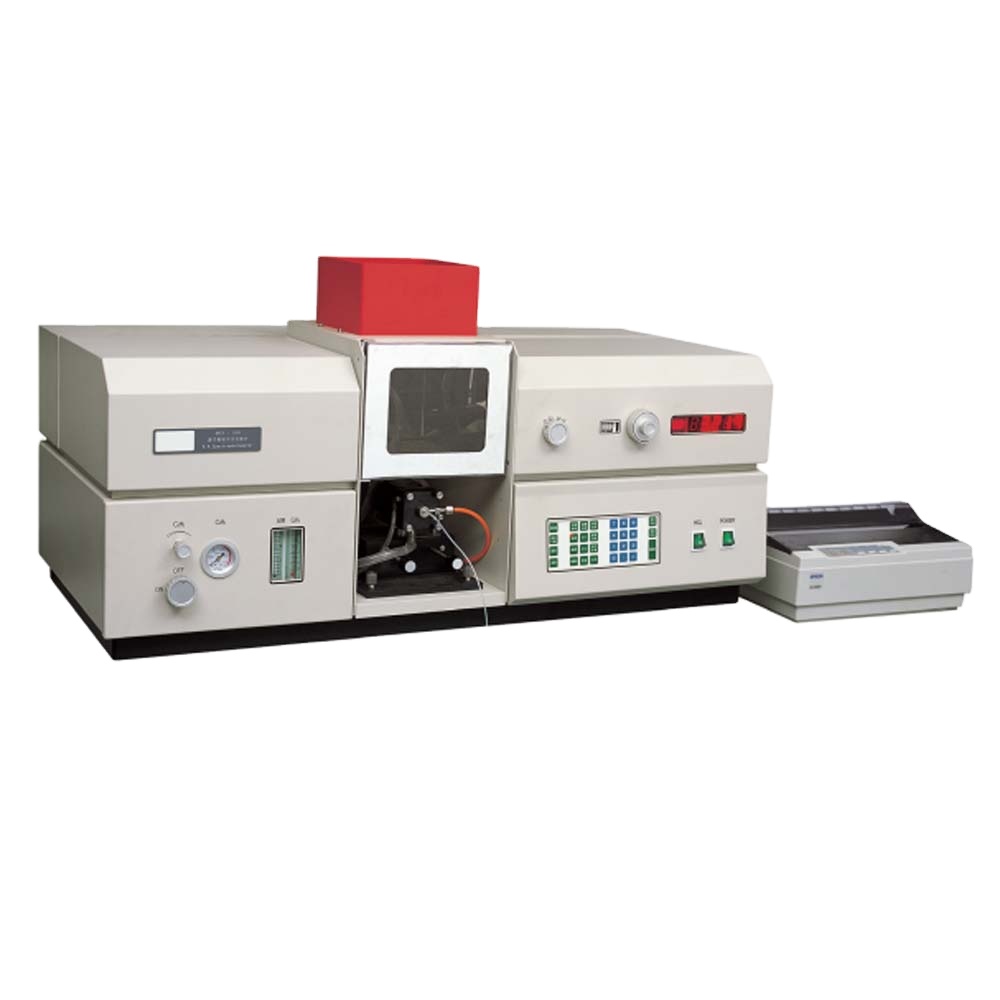
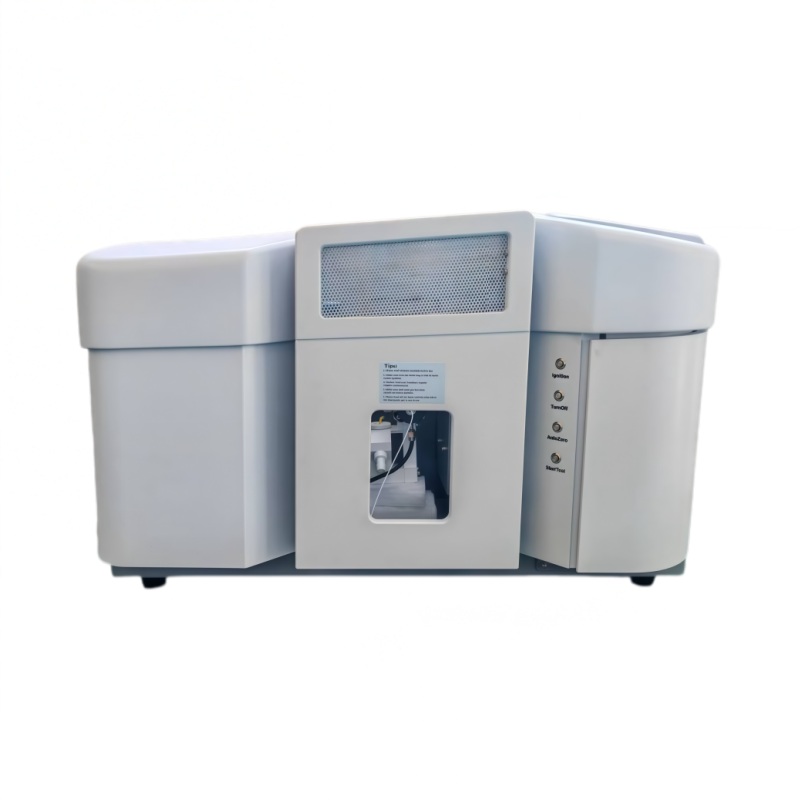
Do atomic absorption spectrophotometers have limitations in analyzing complex sa
I. Limited Detection Capability for Special Elements
1. Difficulty in Determining Non-metallic Elements: For non-metallic elements, such as phosphorus and sulfur, atomic absorption spectrophotometers are difficult to directly measure. These elements present numerous problems during atomization. For example, phosphorus and sulfur are not easily dissociated into ground-state atoms under common atomization conditions, or their atomization efficiency is extremely low, resulting in weak detection signals or even undetectable samples.
2. Inapplicability to Some Metallic Elements: The resonance lines of certain elements are located in the vacuum ultraviolet region, such as arsenic and selenium. Since light in the vacuum ultraviolet region is strongly absorbed by oxygen in the air, a special vacuum environment or inert atmosphere is required. This increases the complexity of the instrument and the difficulty of detection, thus limiting the detection of these elements.
II. Interferences in the Analysis of Complex Samples
1. Matrix Effects and Chemical Interference: Complex samples often contain multiple components, which may produce matrix effects and chemical interference. Matrix effects refer to the combined influence of other components in the sample besides the analyte on the measurement of the analyte, leading to deviations in the measurement results. Chemical interference occurs when certain components in the sample react chemically with the analyte, affecting the atomization efficiency and absorption characteristics of the analyte.
2. Background Interference: Unevaporated or undissociated molecules, atoms, and ions in the sample will generate background absorption. This background absorption will be superimposed on the absorption signal of the analyte, reducing the accuracy of the measurement. Especially in complex samples, background interference may be severe, requiring effective background correction techniques to eliminate it.
In summary, although atomic absorption spectrophotometers are powerful analytical tools, they still have many limitations when dealing with special elements and complex samples. Therefore, when selecting analytical methods, the characteristics of the sample and analytical requirements must be fully considered to ensure accurate and reliable results.