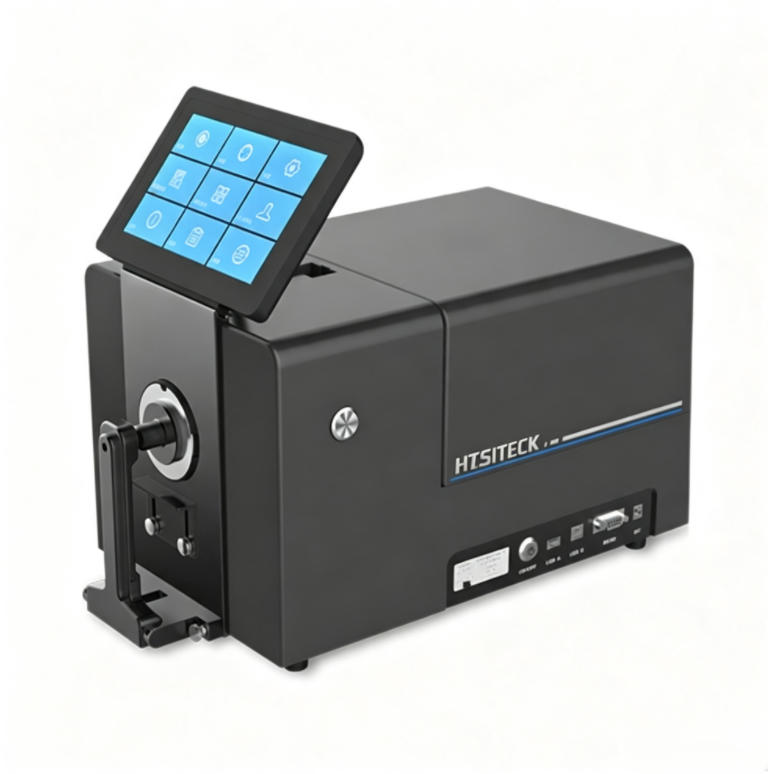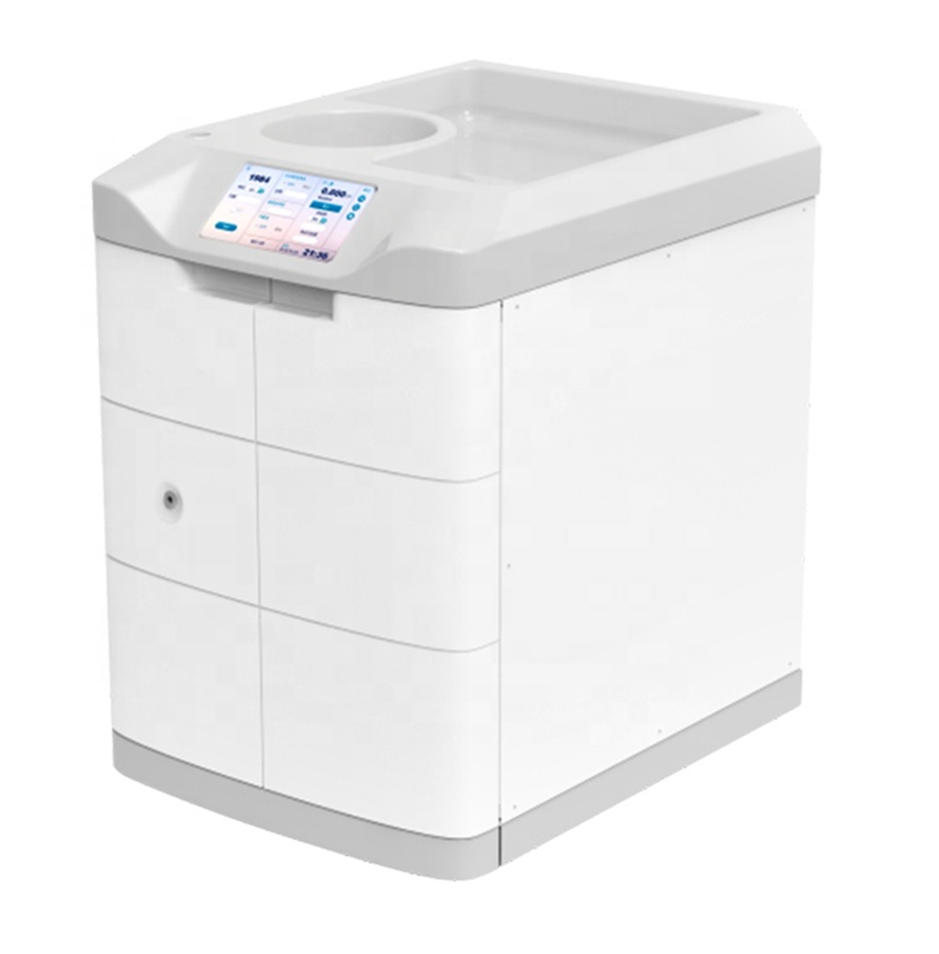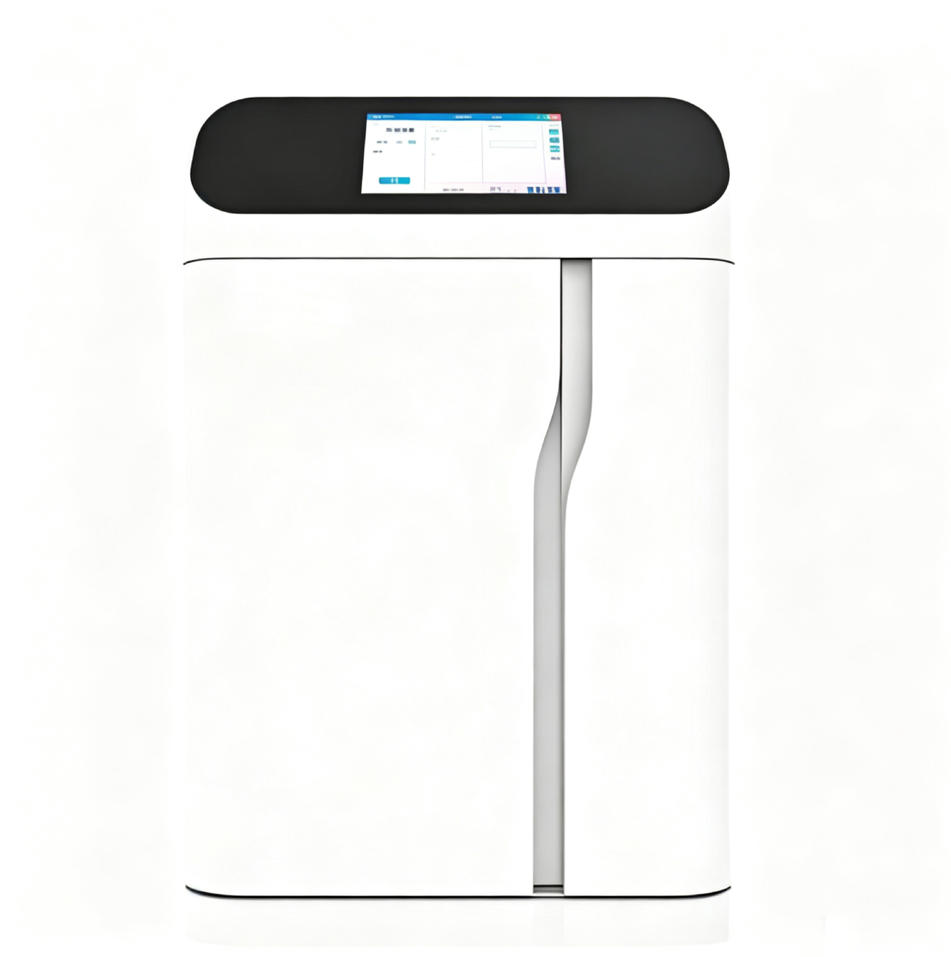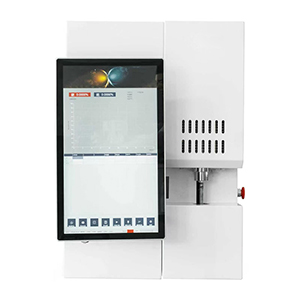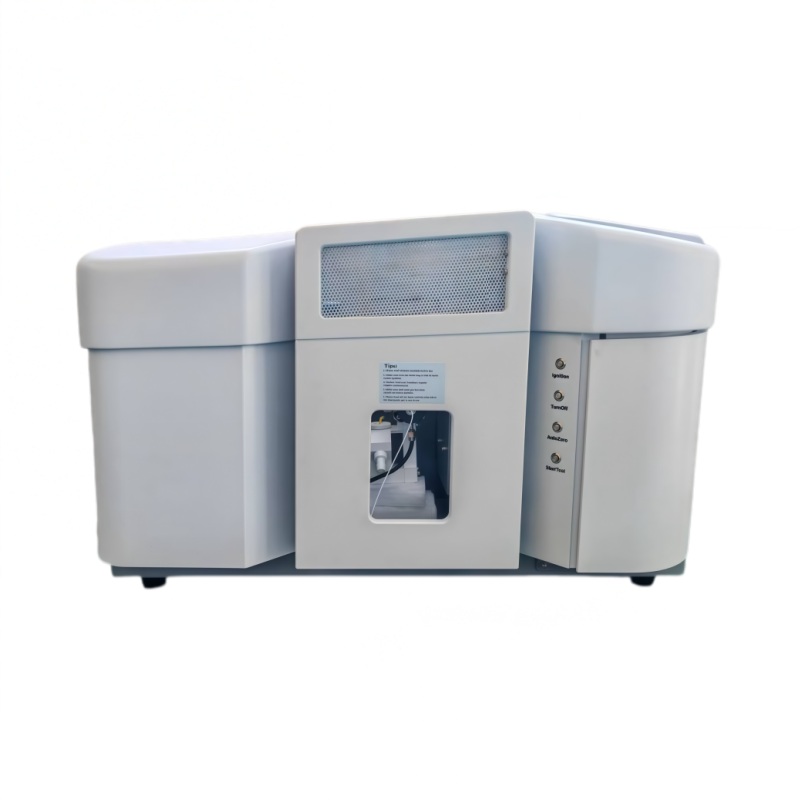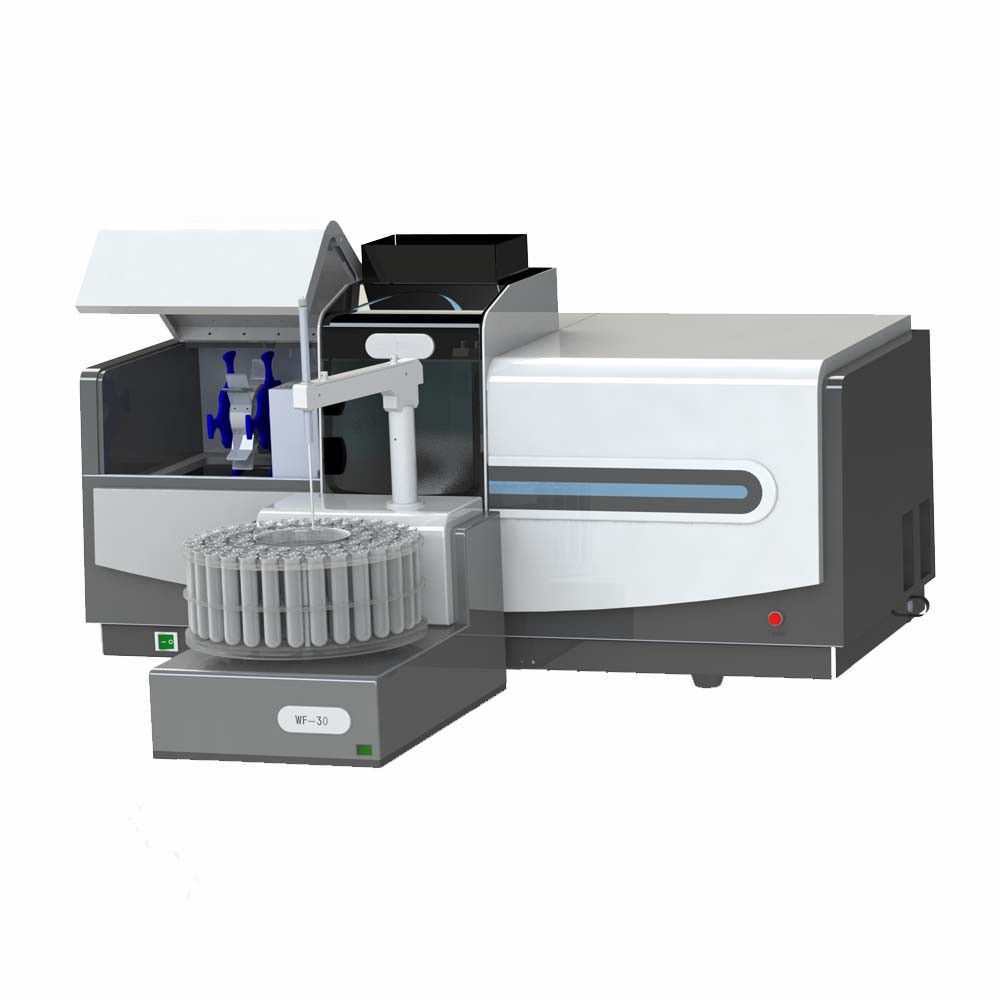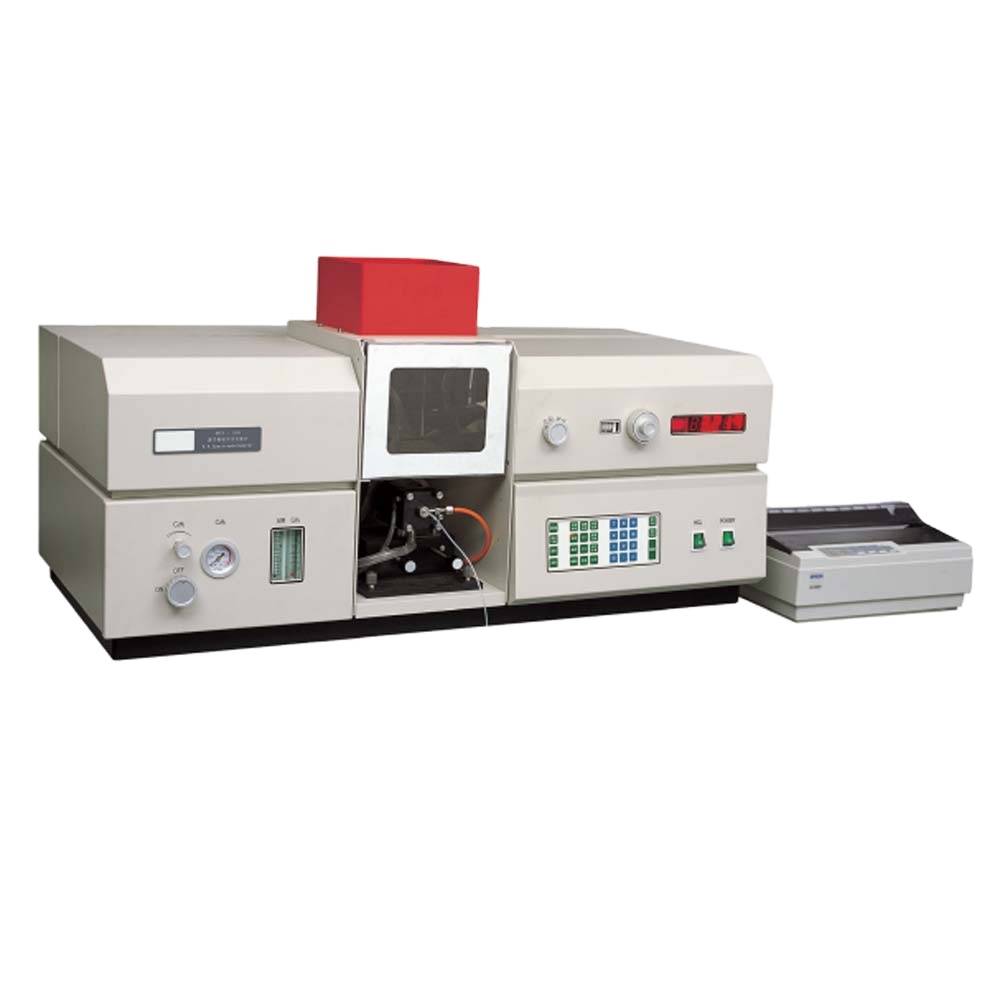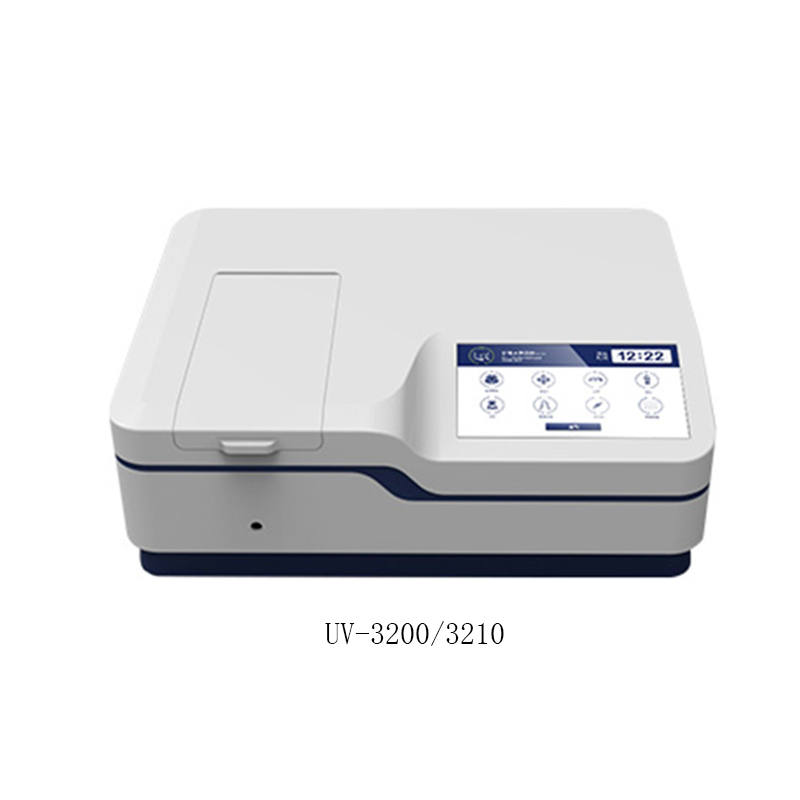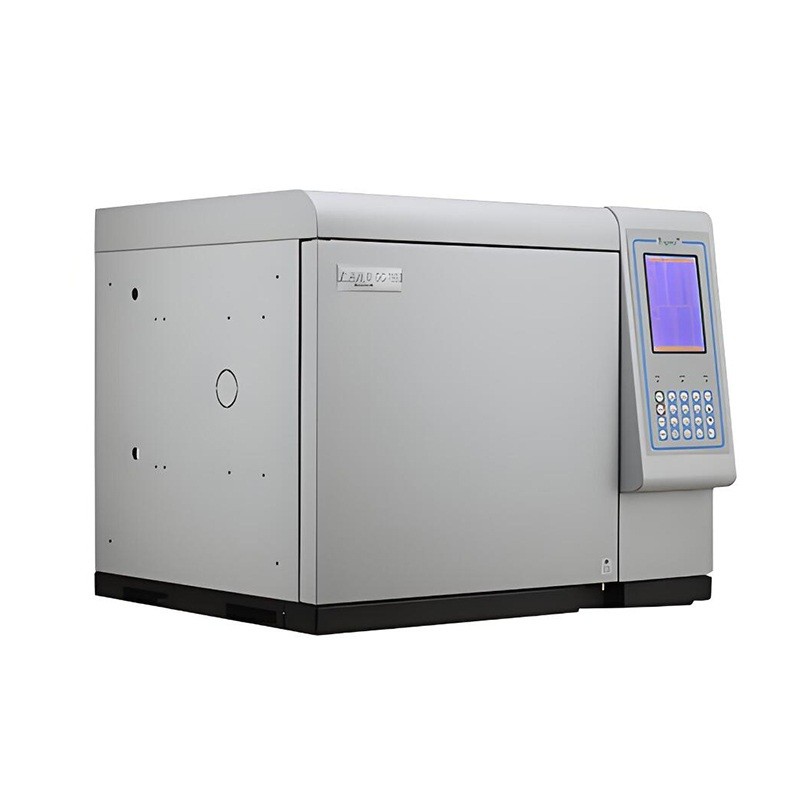
The GC-210 networked gas chromatograph is an economical, fully digitally controlled gas chromatograph launched by our company. It not only maximizes uptime and reduces maintenance frequency, but also features a simpler, more rational structure, making it easy to learn and operate.It uses a traditional manual gas path control method, with a more rational layout of the gas path and circuit structure
Product Description
Product Introduction
The GC-210 networked gas chromatograph is an economical, fully digitally controlled gas chromatograph launched by our company. It not only maximizes uptime and reduces maintenance frequency, but also features a simpler, more rational structure, making it easy to learn and operate.
The GC-210 gas chromatograph uses a traditional manual gas path control method, with a more rational layout of the gas path and circuit structure, facilitating operation and daily maintenance. Simultaneously, the instrument also features unique network remote transmission and control capabilities, enabling unattended operation, decentralized monitoring, and centralized control. Data analysis results can be connected to a DCS (Distributed Control System) to complete the statistical analysis and monitoring of chromatographic component content, improving the automation of the production process.
Applications and Detection Indicators
The GC-210 gas chromatograph is widely used in various analytical fields, including petrochemicals, fine chemicals, biopharmaceuticals, environmental protection, food hygiene, high-purity gases, power generation, brewing, scientific research, and education.
General-Purpose Gas Chromatograph Performance Characteristics
1. Large-screen dot-matrix Chinese LCD display (color touchscreen optional), supporting Chinese/English switching.
2. Networked communication (using Ethernet interface IEEE802.3), full computer-controlled operation.
3. Manual gas path control: Employs dual precision valve manual control with pressure stabilization followed by flow stabilization.
4. Pressure and flow display methods: Pressure gauge pointer display, digital flow reading.
5. Diverse injection systems: packed column injection, capillary split/splitless injection, valve injection, automatic liquid injection (supporting up to 150 sample vials), fully automatic headspace injection, pyrolysis injection, thermal desorption injection, and purge-and-trap injection are all available.
6. A wide range of detector types: up to two detectors can be installed, including TCD, HTCD, uTCD, FID, FPD, ECD, NPD, ZD, PDHID, PID, and AID.
7. Unique network remote transmission and control capabilities, enabling unattended analysis, distributed monitoring, and centralized control.
8. Data can be integrated into a DCS system for statistical analysis, monitoring, and control of chromatographic components, improving the automation level of production process control.
Temperature Control Indicators
| Parameter | Specification | |
|---|---|---|
| Temperature Control Channels | 6 channels | |
| Oven Temperature Specifications | Oven Temperature Range | 4°C above ambient ~ 450°C (1°C increment) |
| Oven Temperature Control Accuracy | Better than ±0.1°C (measured at 200°C) | |
| Oven Programmed Temperature Ramp | 16-step temperature programming | |
| Temperature Ramp Rate Setting | 0.1~39°C/min (Standard Type); 0.1~80°C/min (High-Speed Type) | |
| Hold Time for Each Step | 0~999 min (0.1 min increment) | |
| Programmed Cooling | 260°C down to 50°C in approx. 6 minutes | |
| Injector / Detector / TCD Temperature Specifications | Temperature Range | 4°C above ambient ~ 450°C (1°C increment) |
| Temperature Control Accuracy | Better than ±0.1°C (measured at 200°C) |
Gas Chromatograph Technical Data
| Detector Type | Parameter | Description |
|---|---|---|
| Flame Ionization Detector (FID) | Collector Structure | Cylindrical structure with quartz nozzle |
| Detection Limit | ≤ 3×10⁻¹² g/s (n-hexadecane/isooctane) | |
| Baseline Noise | 5×10⁻¹⁴ A | |
| Baseline Drift | ≤ 1×10⁻¹³ A / 30 min | |
| Linearity | ≥ 10⁷ | |
| Other Features | Auto-ignition | |
| Thermal Conductivity Detector (TCD) | Structure Type | Semi-diffusion type |
| Control Mode | Constant flow control mode | |
| Sensitivity | S ≥ 3000 mV·mL/mg (n-hexadecane/isooctane); HTCD: S ≥ 10000 mV·mL/mg | |
| Baseline Noise | ≤ 10 µV | |
| Baseline Drift | ≤ 30 µV / 30 min | |
| Linearity | ≥ 10⁵ | |
| Flow Rate Stability | ≤ 1% | |
| Optional Accessories | Capillary column connection parts | |
| Electron Capture Detector (ECD) | Detection Limit | ≤ 1×10⁻¹⁴ g/s |
| Linear Range | 10⁴ | |
| Radioactive Source | Ni⁶³ | |
| Flame Photometric Detector (FPD) | Detection Limit | S: 5×10⁻¹² g/s; P: 5×10⁻¹³ g/s |
| Linear Range | P: 10⁵; S: 10³ | |
| Operating Temperature | ≤ 350°C | |
| Detection Method | Air-hydrogen flame photometry | |
| Photodetector | Top-mounted photomultiplier tube | |
| PMT Voltage | Max. -700 V | |
| Nitrogen-Phosphorus Detector (NPD) | Detection Limit | (N) ≤ 5×10⁻¹² g/s; (P) ≤ 5×10⁻¹² g/s |
Application Cases
1. Gas analysis in power transformer oil (GB/T 17623-1998, DL/T 722-2000, DL/T 703-1999)
2. Gas chromatography for safety gas analysis in coal mines (capable of continuous cyclic sampling and analysis of 32 points for 24 hours)
3. Air quality analysis (TVOC, benzene, total hydrocarbons and non-methane hydrocarbons) (compliant with GB/T 50325-2001, GB/T 18883-2002, GB16927-1996); analysis of workshop exhaust gas and flue gas, and continuous online analysis of VOC, benzene and non-methane hydrocarbons in flue gas for 24 hours
4. Water quality analysis (compliant with GB/T 5750-2006)
5. Analysis of various industrial fuel gases such as natural gas, refinery gas, cracked gas, and manufactured gas. (Simple single-valve type, broad-spectrum process dual-valve four-column economic type, broad-spectrum process three-valve four-column practical type, broad-spectrum process five-valve six-column high-end type, three-valve four-column TCD type, four-valve five-column dual TCD type, etc.; conforming to GB/T 13610-2003, UOP539, ASTM1945, ASTM D 1946 and GPA2261; custom-made according to specific user samples is available)
6. Coal gas and biogas analysis (six components: H2, O2, N2, CH4, CO, CO2, unique single-valve sequential change)
7. Sulfides in natural gas (unique single-valve sequential change backflushing method, detecting H2S, CSO, SO2 and total sulfur)
8. High-purity gas analysis, electronic industry gas analysis (minimum detection concentration can reach above 10 ppb)
9. Benzene and toluene analysis in gasoline (conforming to ASTM D3606; SH/T 0713—2002)
10. Oxygenated compound analysis in gasoline (Complies with AZTM D4815 and SH/T 0633-1998)
11. Analysis of Benzene, Toluene, and Aromatics in Gasoline (Complies with ASTM D5580-1995, SH/T0693-2000)
12. SOA Analysis of Hydrocarbon Composition in Gasoline, PONA Analysis of Monomeric Hydrocarbons in Gasoline (Detection of saturated hydrocarbons, olefins, aromatics, and benzene content, using a specially designed olefin adsorption trap; complies with SH/T 0741-2004)
13. Simulated Distillation Gas Chromatography (Complies with SH/T 0558, ASTM D5307, D3710, D6352, D2887)
14. Blood Ethanol Analysis (Complies with Ministry of Public Security Standard GA/T105-1995)
15. VOC Analysis of Cigarette Sticks (Complies with YC/T 207-2006), Drug Residue Analysis, Ethylene Oxide in Medical Devices (Complies with GB/T) 16886.7-2001), Solvent Residue Detection in Packaging Materials
16. Greenhouse Gas Gas Chromatography (CO2, CH4, and N2O, 0.1ppm—100%)
17. Catalysis Evaluation, High-Pressure High-Temperature Online Analysis System (System chromatography customized upon request)
18. Process Gas Chromatograph (Industrial Chromatography), Sample Pretreatment, Analytical Cabin Construction, Multi-Path Sample Selection (Supports up to 32 sample selection channels), etc.