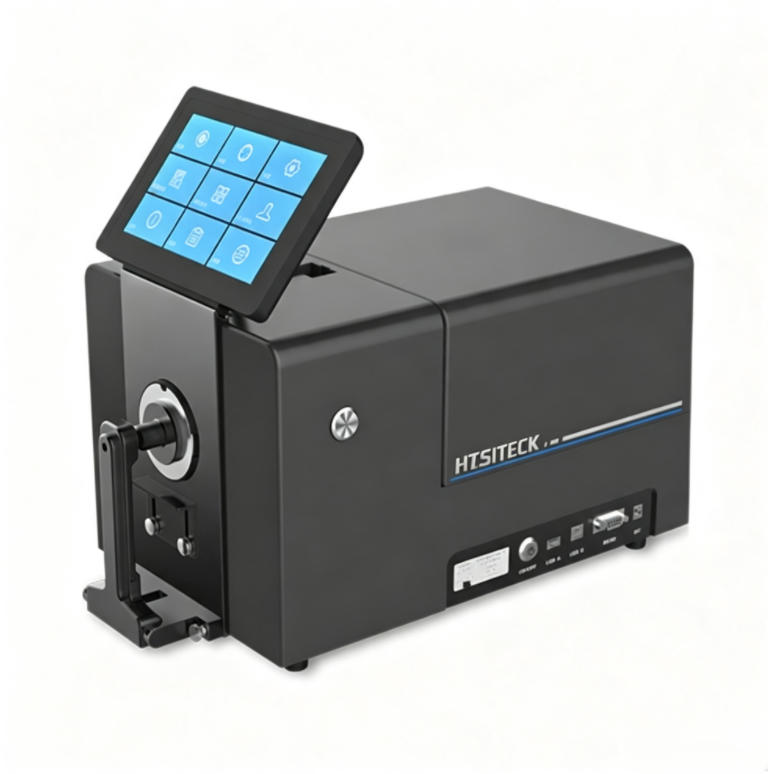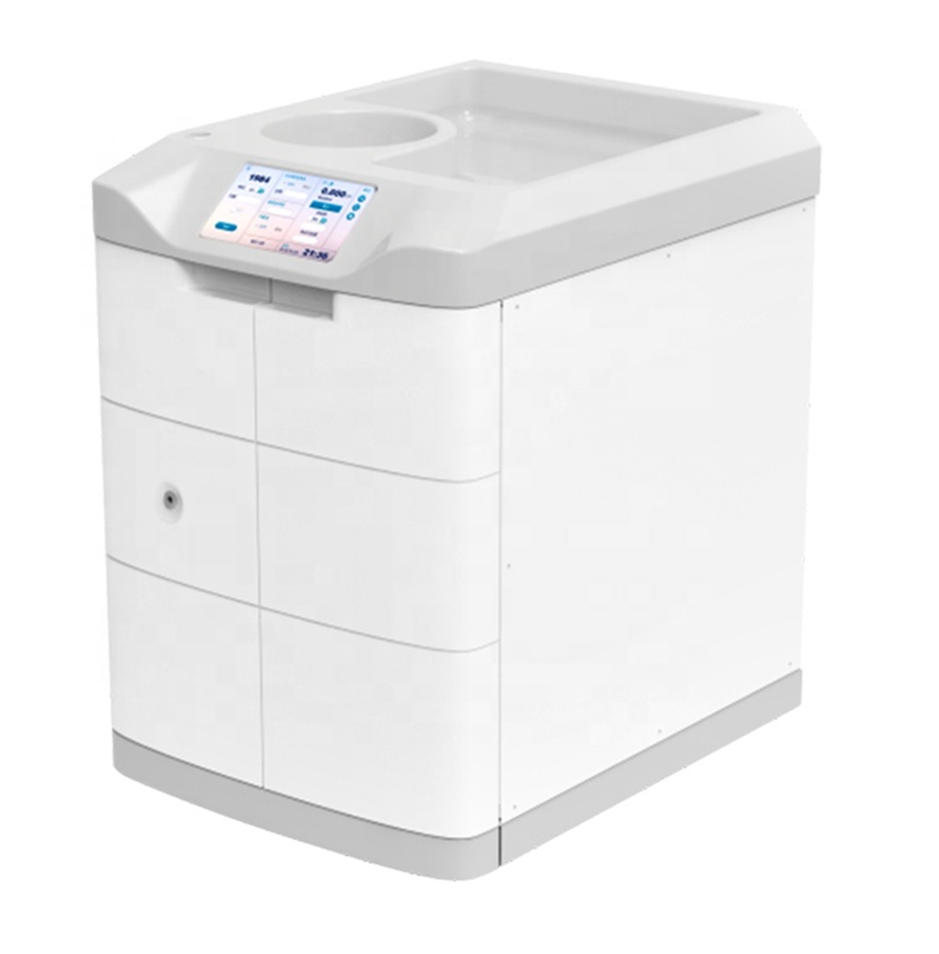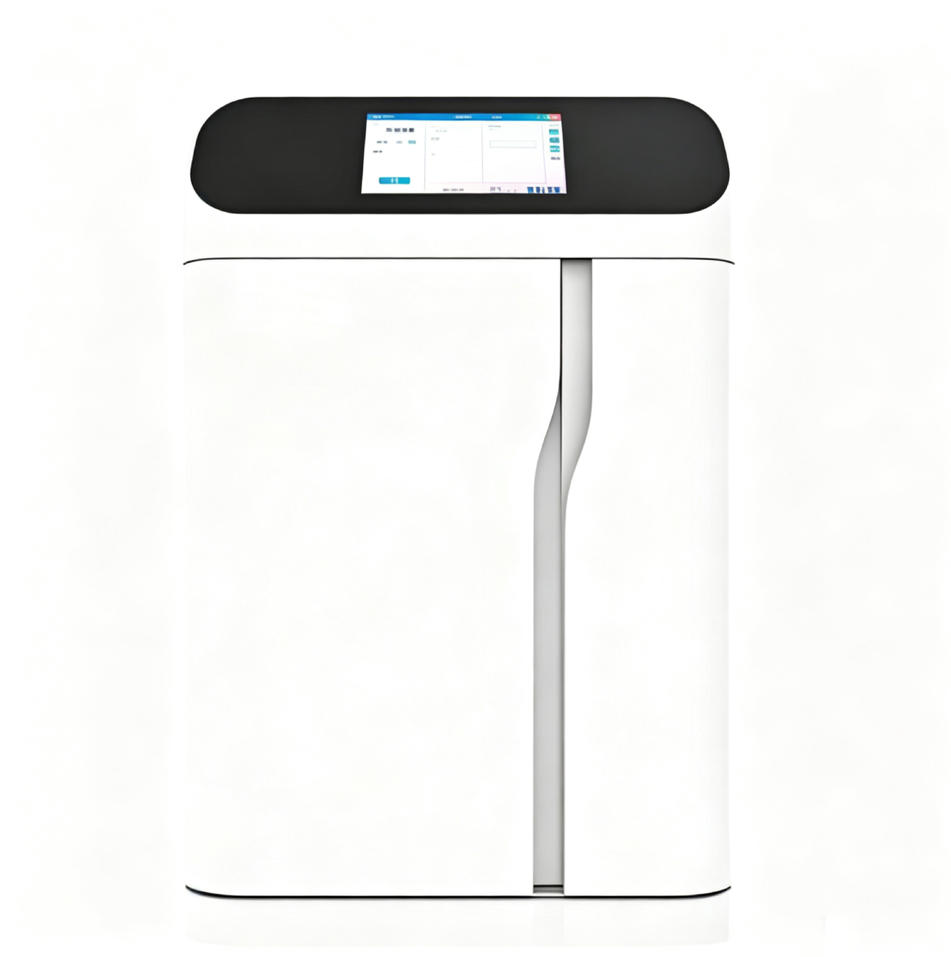
- RT +4℃ to 450℃
- 7.0-inch LCD
- +/-0.01℃
- 0-999min (Increment: 0.1min)
- 6 minutes, from 260℃ to 50℃
- +/-0.01℃
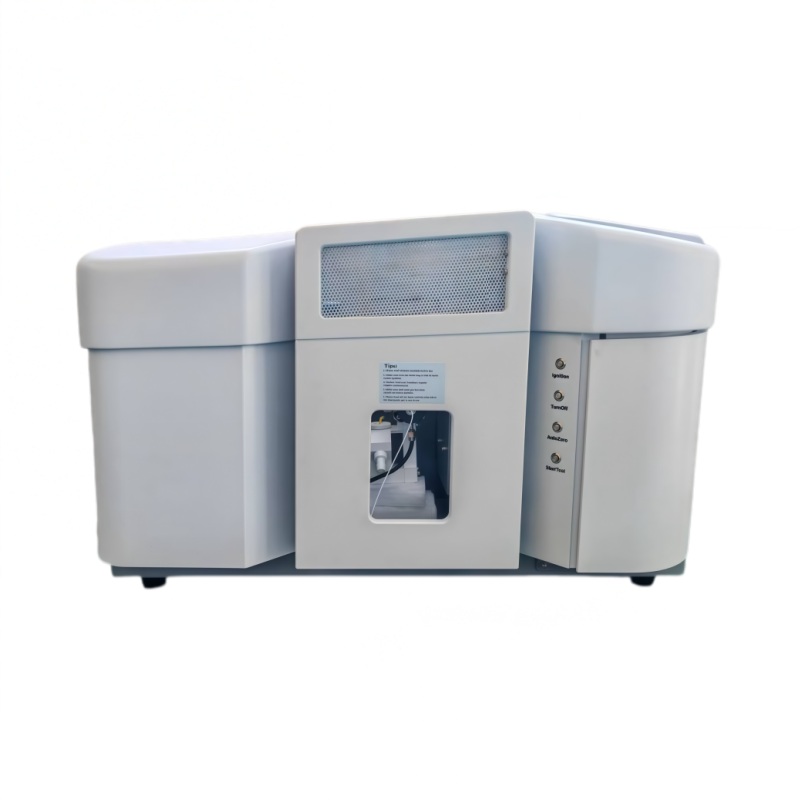
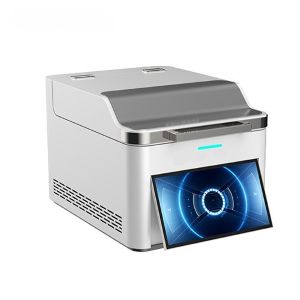
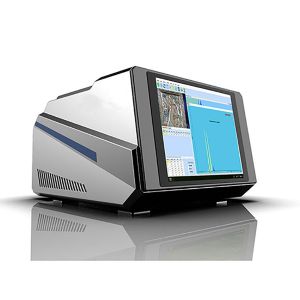
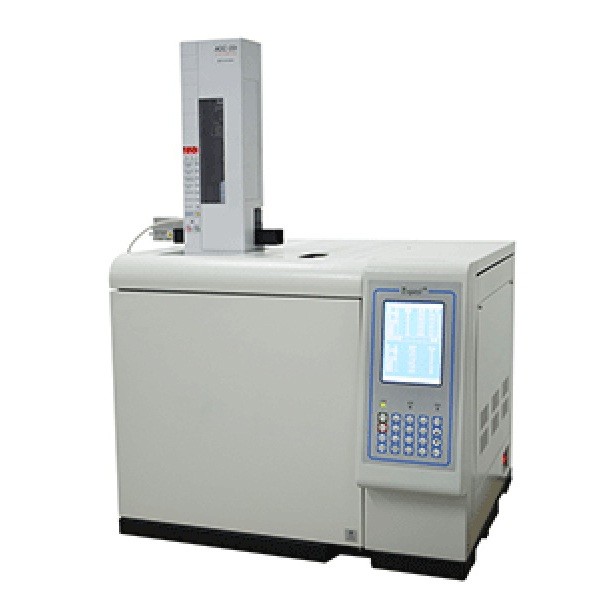
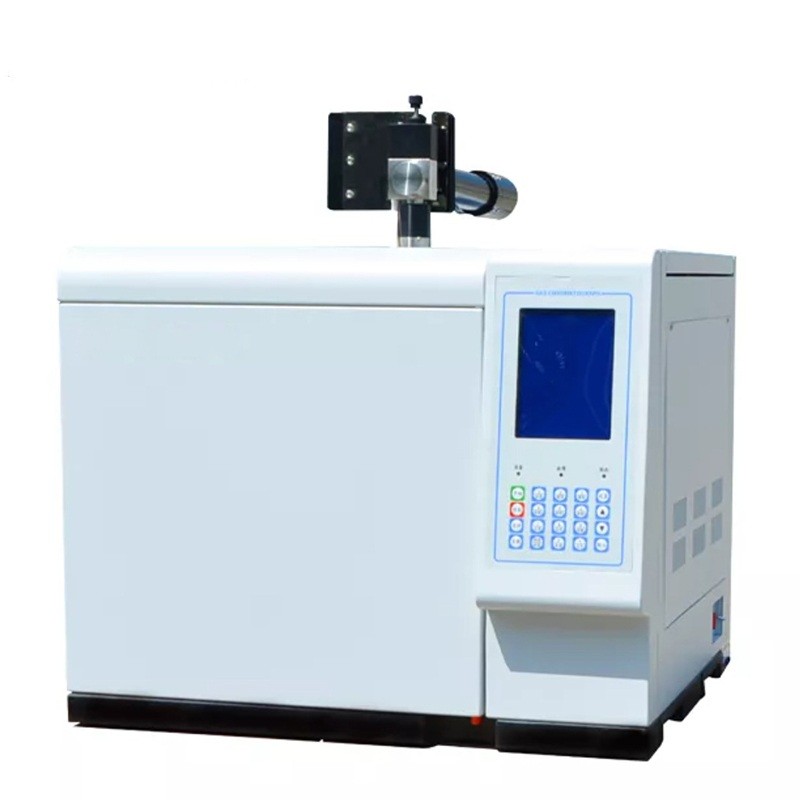
The GC-200 networked gas chromatograph is a new type of digitally controlled general-purpose gas chromatograph launched by the company. It features networked communication and a computer-controlled workstation. It aims to provide accurate and reliable analytical data for various industries to support complex quality control and research work.
Product Description
Product Introduction
The GC-200 networked gas chromatograph is a new type of digitally controlled general-purpose gas chromatograph launched by the company. It features networked communication and a computer-controlled workstation. It aims to provide accurate and reliable analytical data for various industries to support complex quality control and research work.
Product Features
1. Technical Features: This instrument integrates advanced manufacturing processes from both domestic and international sources, ensuring high reliability and minimal downtime. It features an electronic gas path (EPC) control mode, an advanced electronic gas path control system that provides excellent quality and reliable analytical results.
2. Networking Functionality: The GC-200 A possesses unique network remote transmission and control capabilities, supporting unattended operation, distributed monitoring, and centralized control. It can integrate data analysis results into a DCS system for statistical analysis and monitoring, thereby improving the automation level of the production process.
3. Application Areas: This gas chromatograph is widely used in various fields, including petrochemicals, fine chemicals, biopharmaceuticals, environmental protection, food hygiene, high-purity gases, power generation, brewing, and scientific research and education. It can meet the needs of these fields for accurate analysis of component content.
4. Accuracy and Repeatability: All injection ports and detector gas paths can be controlled electronically via EPC, improving the accuracy of retention time and peak area. Users can set various parameters through the control software, such as gas flow rate, external events, temperature, and detector settings, ensuring the preservation of analytical method parameters. Digital circuitry ensures consistent settings across different operators, resulting in better retention time repeatability and consistently reliable results.
5. Autosampler Configuration: The GC-200 can be configured with a 6- or 12-position liquid autosampler. Parameters are controlled via reverse control software, improving repeatability and efficiency while reducing errors that may occur with manual injection.
Performance Features
1. Display Configuration: The device is equipped with a 5.7-inch dot-matrix Chinese-language LCD screen, supporting Chinese and English interface switching, providing a user-friendly operating interface. A color touchscreen is optional to enhance the interactive experience.
2. Control and Communication: Offers both manual gas path control and fully electronic gas path (EPC) control modes, selectable according to needs. Networked communication is achieved through an Ethernet interface IEEE802.3, supporting full computer-based online control operation, facilitating remote monitoring and data management.
3. EPC Electronic Gas Path Control:
- Accuracy: EPC control accuracy reaches 0.01 mL/min or 0.01 kPa, ensuring excellent retention time reproducibility and result consistency.
- Operating Modes: Supports constant flow, constant pressure, and split flow modes to adapt to different analytical requirements.
- Programmed Pressure Control: 4-stage programmed pressure control to meet complex pressure regulation needs.
- Working Gases: Applicable to various gases, including N2, H2, Air, He, and Ar. - Measurement Range: The pressure range controlled by the EPC is 0–0.6 kPa, and the flow rate range is 0–100 sccm or 0–500 sccm.
- Control Accuracy: Pressure control accuracy is 0.01 kPa, and flow rate control accuracy is 0.01 sccm.
4. Temperature Control
- Heating Rate: Maximum heating rate is 80℃/min, suitable for rapid analysis.
- Maximum Temperature: Temperature can reach 450℃, suitable for analyzing high-boiling-point samples.
5. Column Oven Design: Supports dual column ovens with dual rear doors, providing greater operational convenience and configurability.
6. Temperature Accuracy: Column oven temperature increment is 1℃, accuracy is ±0.01℃, approaching the performance of high-end imported products of the same type.
7. Event and Output Control: Six external event outputs and two auxiliary control outputs provide flexible event response and control capabilities. 8. Diverse Injection Systems: Offers a variety of injection system options, including packed column injection, capillary split/splitless injection, valve injection, automated liquid injection, fully automated headspace injection, pyrolysis injection, thermal desorption injection, purge-and-trap injection, etc., to adapt to different sample and analytical needs.
10. Customizable Valve Systems: Offers customizable valve systems to help users complete complex multidimensional chromatographic analysis tasks. The Plus model is a multifunctional gas chromatograph designed specifically for multidimensional application analysis and online analysis, emphasizing its applicability and specialization.
11. Wide Range of Detectors: The device supports a variety of detectors, with up to three detectors that can be installed, including TCD (Thermal Conductivity Detector), HTCD (High Sensitivity Thermal Conductivity Detector), uTCD (Ultra-Trace Thermal Conductivity Detector), FID (Flame Ionization Detector), FPD (Flame Photometric Detector), ECD (Electron Capture Detector), NPD (Nitrogen and Phosphorus Detector), ZD (Sulfur Chemiluminescence Detector), PDHID (Pulse Discharge Helium Ionization Detector), PID (Photoionization Detector), and AID (Argon Ionization Detector). This versatility enables the equipment to handle the detection needs of various compounds.
12. Multi-path Sample Selection MPV System: The program supports a multi-path sample selection MPV system with automatic valve number identification, automatic cascade judgment, automatic reset, valve position selection, and valve position analysis memory functions, supporting up to 32 sample path selections. This increases the automation level and analytical efficiency of the equipment.
13. Network Remote Transmission and Control Function: It possesses special network remote transmission and control functions, enabling unattended analysis, distributed monitoring, and centralized control, improving the flexibility and ease of management of the equipment.
14. Data Access to DCS System: Data can be accessed through a DCS (Distributed Control System) to complete the statistical analysis and monitoring of chromatographic component content, thereby improving the automation level of production process control.
15. Temperature Control Specifications:
(1) Number of Temperature Control Channels: 8
(2) Column Oven Temperature Specifications:
- Column oven temperature range: 4℃ above room temperature to 450℃ (increment of 1℃)
- Column oven temperature control accuracy: better than ±0.01℃
- Column oven programmed temperature rise: 16-stage programmable temperature rise
- Programmable temperature rise rate setting: 0.1~39℃/min (normal type); 0.1~80℃/min (high-speed type)
- Isothermal time for each stage: 0~999min (increment of 0.1min)
- Programmed cooling: 260℃ to 50℃ in about 6 minutes
c) Temperature Specifications of Injector, Detector, and Thermal Conductivity Cell
- Temperature range: 4℃ above room temperature to 450℃ (increment of 1℃)
- Temperature control accuracy: better than ±0.01℃
Applications of Gas Chromatograph
1.For underground coal mine safety gas analysis, this gas chromatograph can be utilized (continuous sampling and analysis of 32 points over 24 hours)
Analysis of air quality (TVOC, benzene, total hydrocarbons, and total non-methane hydrocarbons).
Analysis of workshop exhaust and flue gas.
Analysis of a range of industrial gases, including artificial, cracked, refinery, and natural gas.
Coal gas and biogas analysis (The six components of H2, O2, N2, CH4, CO, and CO2)
Examination of different substances in gasoline
Gas Chromatograph Specifications
| Model | GC-200 | |
| Display | 7.0-inch LCD | |
| Temperature Control | Temperature Control Channels | 8 channels |
| Oven Temperature Range | RT +4℃ to 450℃ | |
| Oven Temperature Resolution | +/-0.01℃ | |
| Program Setting | 0.1-39℃/min (Standard), 0.1-80℃/min (High-speed) | |
| Constant Temperature Time | 0-999min (Increment: 0.1min) | |
| Cooling Time | 6 minutes, from 260℃ to 50℃ | |
| Sampler/Detector/Thermal Conductivity Cell Temperature Range | 4℃-450℃ (Increment: 1℃) | |
| Temperature Accuracy | +/-0.01℃ | |
| Hydrogen Flame Ionization Detector (FID) | Detection Limit | ≤3×10-12g/s (n-hexadecane) |
| Baseline Noise | ≤5×10-14A | |
| Baseline Drift | ≤1×10-13A/30min | |
| Linear Range | ≥107 | |
| Thermal Conductivity Detector (TCD) | Sensitivity | S≥3000mV·ml/mg (benzene) (magnification 1, 2, 4, 8 times optional) |
| High Sensitivity | S≥8000mV•ml/mg (benzene) (magnification 1, 2, 4 or 8 times optional) | |
| Baseline Noise | ≤10μV | |
| Baseline Drift | ≤30μV/30min | |
| Linear Range | ≥105 | |
| Electron Capture Detector (ECD) | Detection Limit | ≤1×10-14g/s |
| Linear Range | 104 | |
| Flame Photometric Detector (FPD) | Detection Limit | S≤5×10-12g/s (S in methyl parathion) |
| P≤5×10-13g/s (P in methyl parathion) | ||
| Linear Rang | 105(P) 103(S) | |
| Maximum Operating Temperature | 350℃ | |