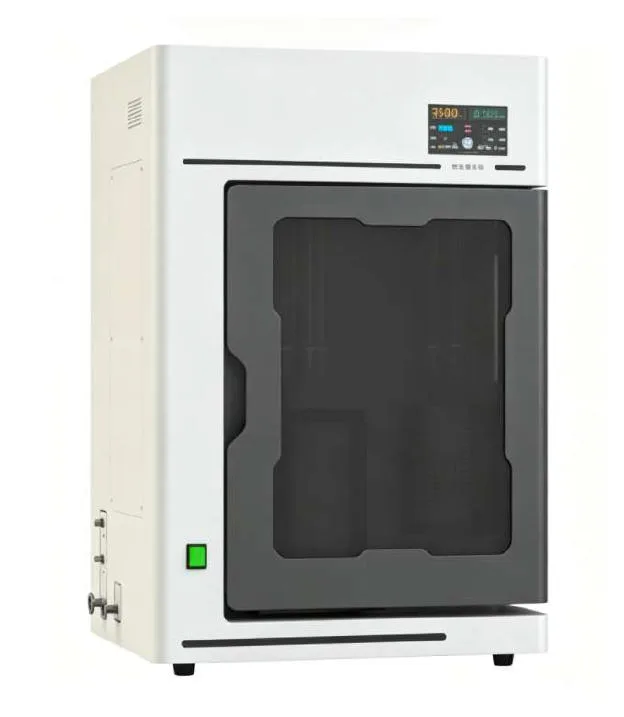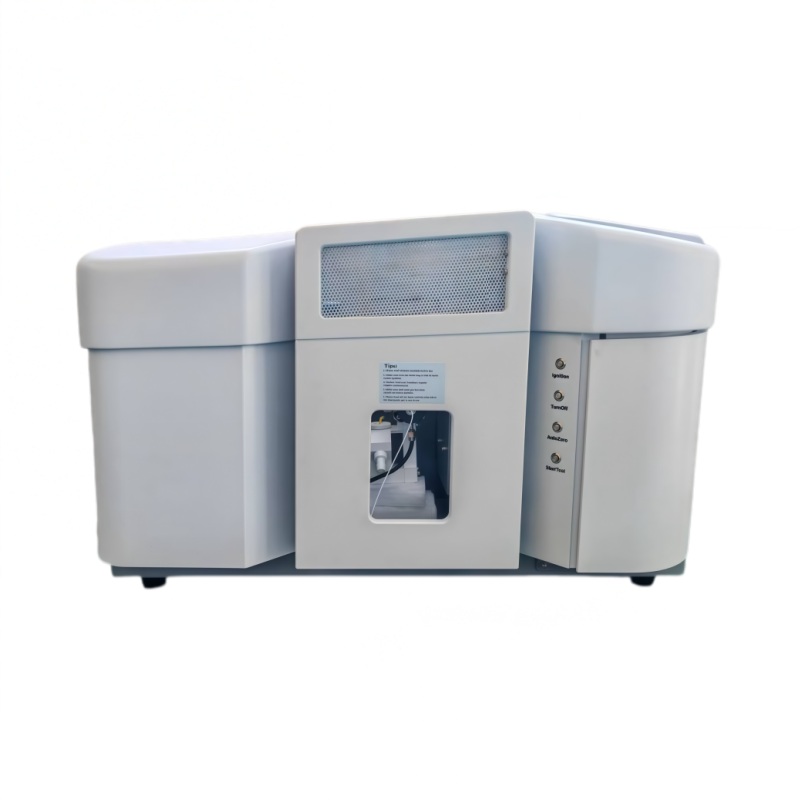
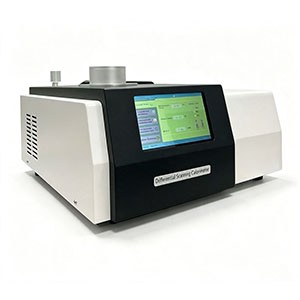
- DSC-509
- Room temperature~600℃
- 0.01℃
- ±0.1℃
- 0~±600mW
The Differential scanning calorimetry (DSC) technique has been widely used. The differential scanning calorimeter is both a routine quality test tool and a research tool. It measures the temperature, heat flow associated with the thermal transition inside the material. Our instrument is a heat flow type differential scanning calorimeter, with good repetition and high accuracy, which is especially
Product Description
Product Introduction
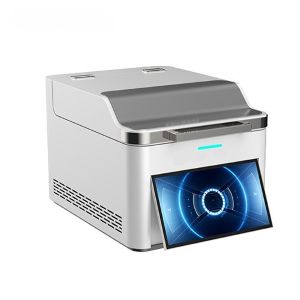
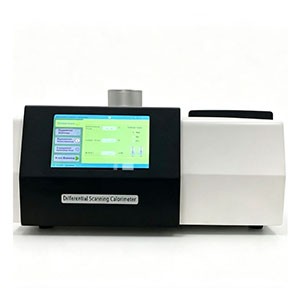
The Differential scanning calorimetry (DSC) technique has been widely used. The differential scanning calorimeter is both a routine quality test tool and a research tool. It measures the temperature, heat flow associated with the thermal transition inside the material. Our instrument is a heat flow type differential scanning calorimeter, with good repetition and high accuracy, which is especially suitable for accurate measurement of specific heat. The equipment is easy to calibrate, uses a low melting point, is fast and reliable, and has a very wide range of applications, especially in material research and development, performance testing and quality control. The properties of materials, such as glass transition temperature, cold crystallization, phase transition, melting, crystallization, product stability, curing / crosslinking, oxidation induction period, etc., are the research fields of differential scanning calorimetry, and different models are selected according to the experimental parameters and experimental requirements.
Application
The application scope of differential scanning calorimeter is: curing reaction temperature and thermal effect of polymer materials, material phase transition temperature and thermal effect measurement, crystallization of polymer materials, melting temperature and thermal effect measurement, glass transition temperature of polymer materials, etc.
The sample and parameters were placed into the crucible separately and placed in the furnace for programmed heating to change the temperature of the sample and parameters. If the heat capacity of the reference and the sample are the same, and the sample has no heat effect, the temperature difference is almost "zero", and a smooth curve is obtained. As the temperature increases, the sample has a thermal effect, and the parameter does not produce a thermal effect, the temperature difference between the two, in the DSC curve, the larger the temperature difference, the greater the temperature difference changes, the more the number of peaks. Peak up are called exothermic and peaks down are called heat absorption.
The following figure is a typical DSC curve showing four types of transitions: Temperature coefficient is →

1. For a secondary transition, it is a change in the horizontal baseline
2. For the heat absorption peak, it is caused by the melting or melting transition of the test sample
3. For the heat absorption peak, it is caused by the decomposition or cleavage reaction of the test sample.
4. It is the exothermal peak, which is the result of the sample crystalline phase transition
Product Features
1. The new metal furnace structure has a better baseline and higher precision. The heating adopts indirect conduction, which has high uniformity and stability, reduces pulse radiation, and is better than the traditional heating mode.
2. Automatically switch the two-way atmosphere flow, with fast switching speed and short stabilization time. At the same time, add a protective gas input.
3. USB communication interface, strong versatility, reliable and uninterrupted communication, and supports self-recovery connection function.
4. Multi-stage temperature setting, fully automatic program control.
5. Industrial-grade 7-inch color touch screen, rich display information, high clarity, and easy
operation.
6. The sensitivity of the instrument and the accuracy of measurement are greatly improved.
Bidirectional operating system, software real-time acquisition of spectra, online data analysis.
Technical Data
|
Temperature Range |
Room temperature~600℃ |
|
Temperature Resolution |
0.01℃ |
|
Temperature Fluctuation / Repeatability |
±0.1℃ |
|
Heating Rate/Cooling Rate |
0.1~100℃ /min |
|
Temperature Control Method |
PID temperature control, temperature rise, Constant temperature |
|
DSC Range |
0~±600mW |
|
DSC Accuracy |
0.01mW |
|
Working Power Supply |
AC220V/50Hz or customized |
|
Gas Flow Rate |
0~300mL/min |
|
Gas Pressure |
≤5mPa |
|
Display Method |
24-bit color, 7-inch LCD touch screen display |
|
Data Interface |
Standard USB interface |
|
Standard Accessories |
Differential Scanning Calorimeter x 1Unit; USB driver x1; Data Cable x2; Power Cable x1; Aluminum Crucible x200; Ceramic Crucible x100; Metal Cover x1; Pure Tin Grains x1 bag; 10A Fuses x5; Sample Spoon / Sample Bar / Tweezers x1; Operate manual/ Warranty Card/ Quality Certificate x1; |