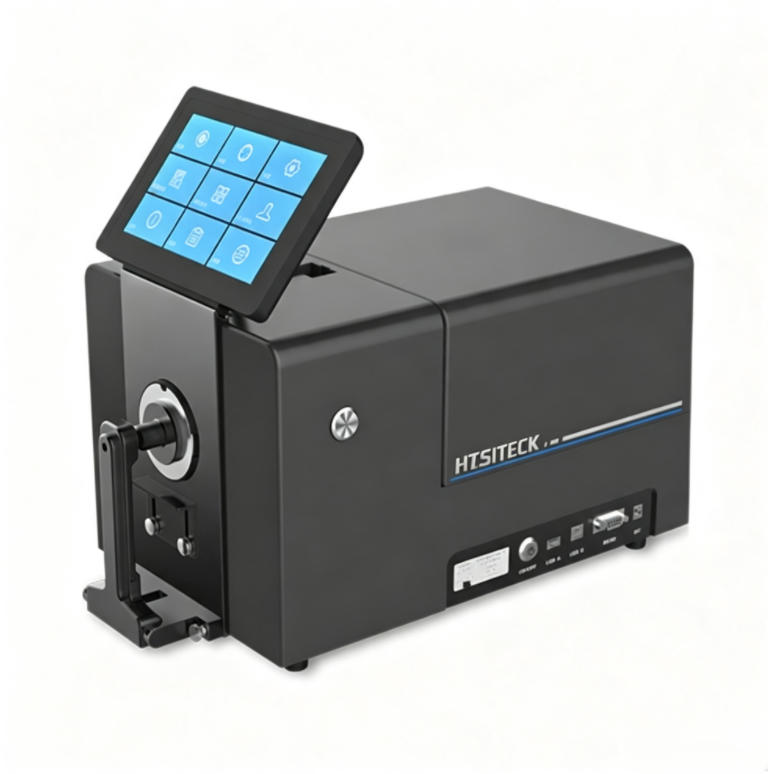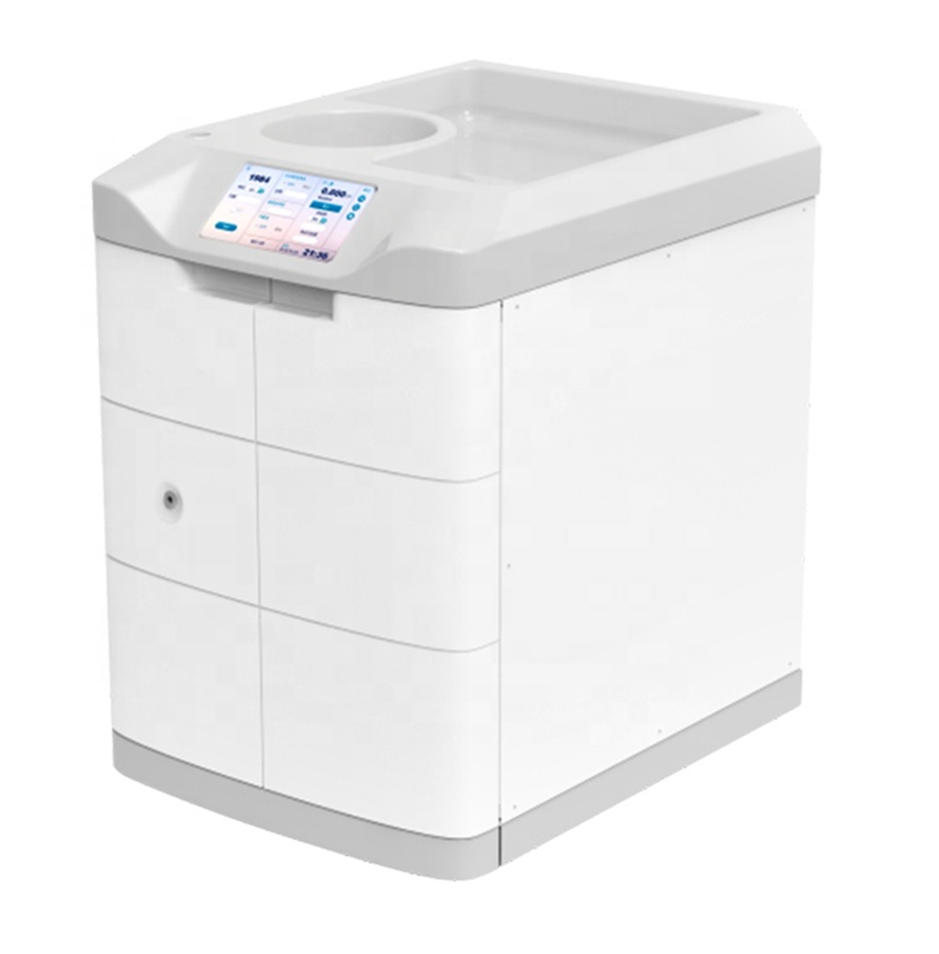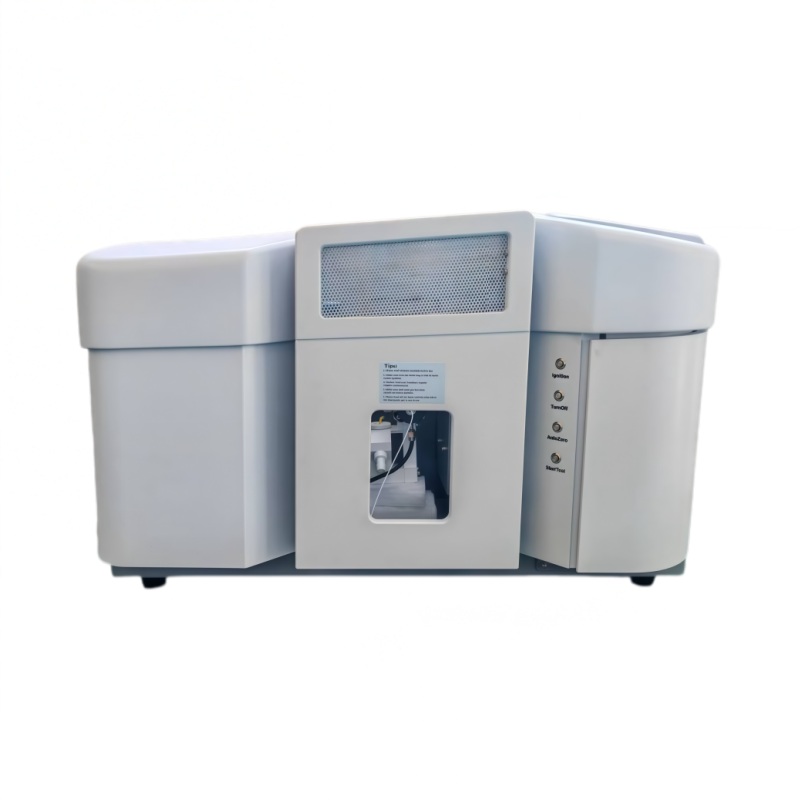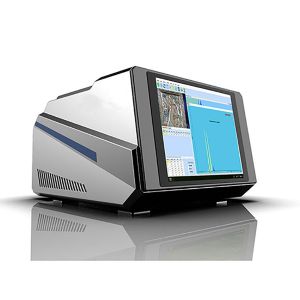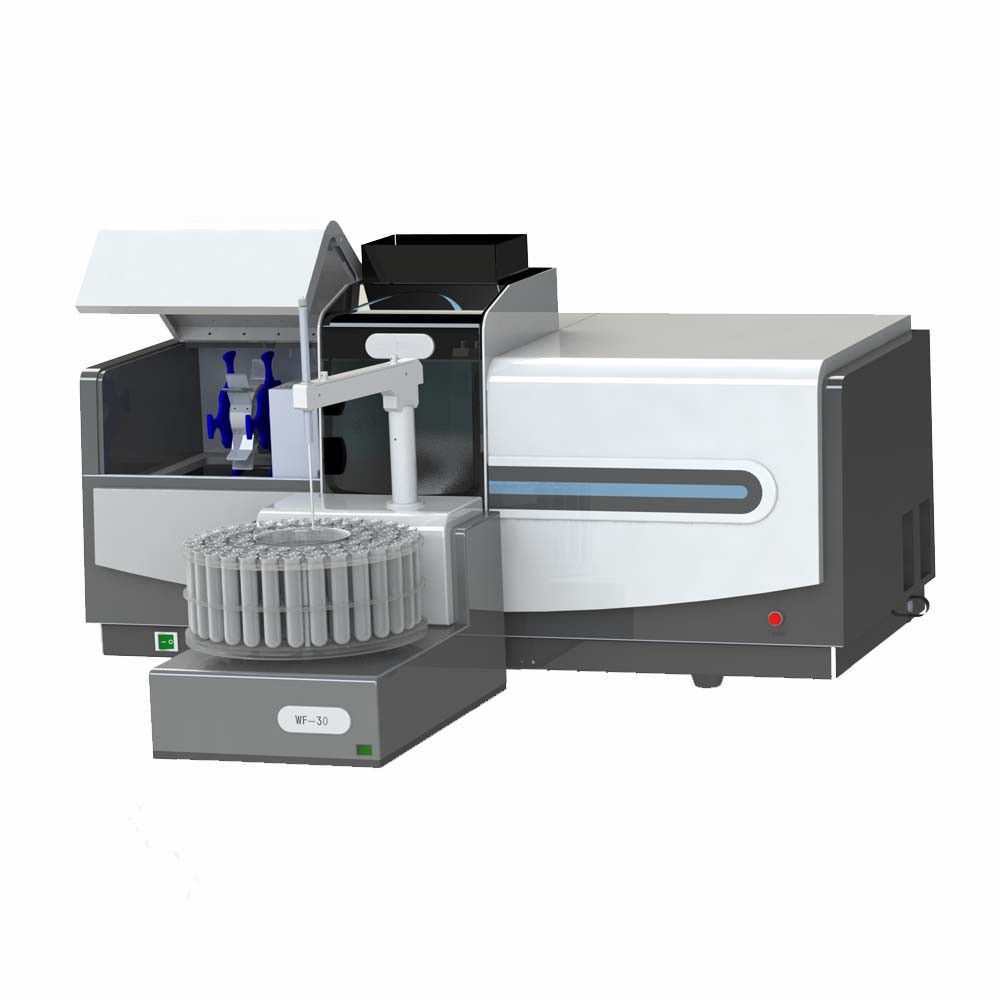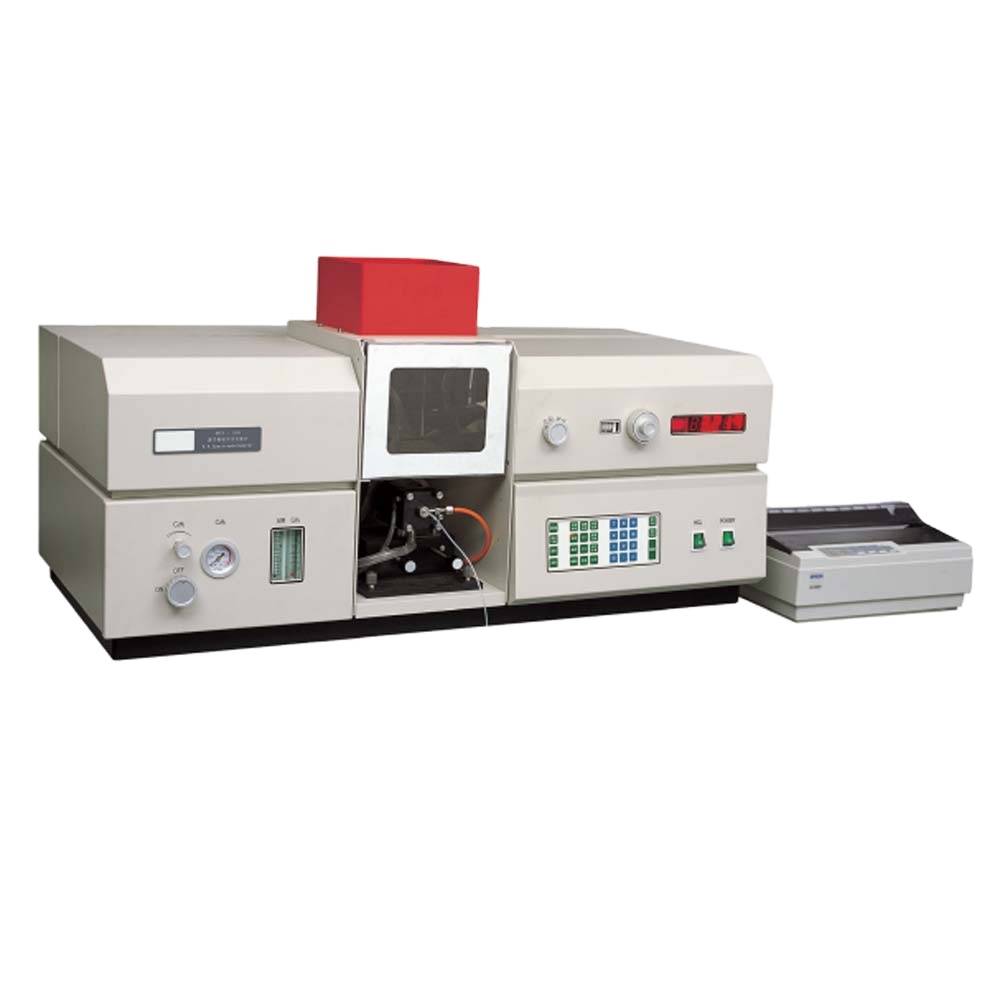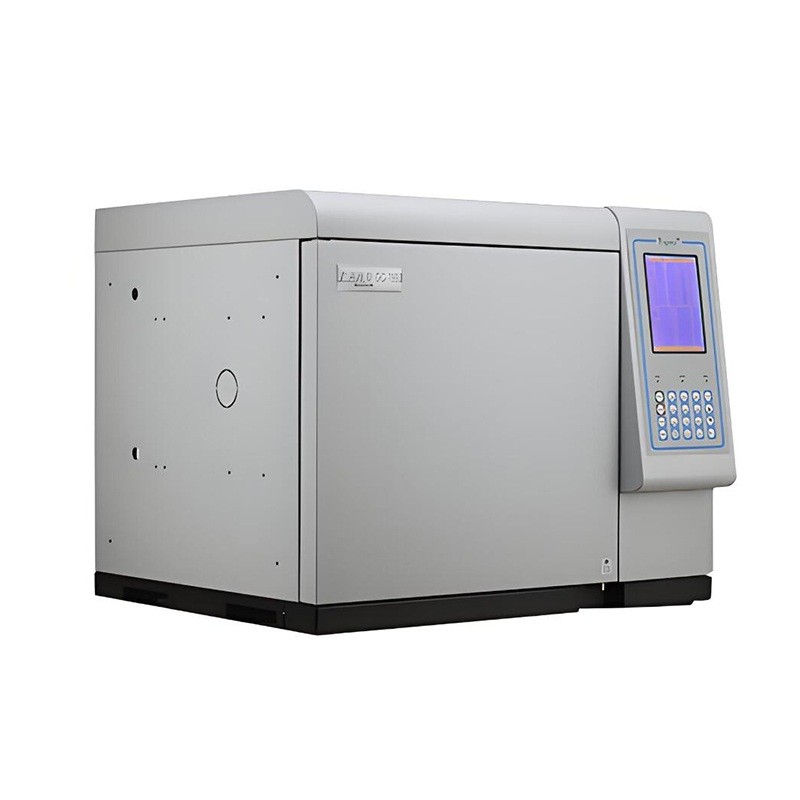
The GC-230 is a dedicated gas chromatograph for the complete component analysis of natural gas. This instrument's analytical system is equipped with 4 valves and 5 columns, consisting of two 10-way sampling/backflush valves, two 6-way bypass switching valves, five chromatographic columns, and two high-sensitivity TCD detectors. It can provide the content of saturated hydrocarbons (C1-C50), H2 and
Product Description
Product Introduction
The GC-230 gas chromatograph is a dedicated gas chromatograph system for the complete analysis of natural gas components. It features 4 valves and 5 columns, consisting of two 10-way sampling/backflush valves, two 6-way bypass valves, five columns, and two high-sensitivity TCD detectors. It can provide the content of saturated hydrocarbons (C1-C50), H2 and He across the entire concentration range, as well as the content of CO2, H2S, N2, O2, and C6+ (as a backflush peak) components with boiling points above hexane in natural gas. The instrument's workflow meets and exceeds the requirements of ASTM 1945 and GPA 2261 methods.
Working Principle
The system operates on two channels: Channel I analyzes H2 and He, while Channel II analyzes N2, O2, CO2, H2S, and C1–C5 saturated hydrocarbons. After sample injection via a valve, it passes through column 5 in Channel I for separation. H2 and He are detected on TCD1, and subsequent components are backflushed. Simultaneously, the sample enters the separation system in Channel II. After pre-separation in column 1, the column flow direction is changed, causing C6 and heavier components to elute as a single peak. Light hydrocarbons and permanent gases are sent to column 3 and isolated. C30–C50 elute from column 2. C1, N2, and O2 enter column 4 and are isolated, while C2 and CO2 are separated and detected from column 3. Finally, C10, N2, and O2 elute from column 4 and are detected.
Data processing and quantification are performed by a dedicated natural gas workstation, which calculates parameters such as the calorific value (molar calorific value, mass calorific value, volumetric calorific value, and Wobbe index) for each component. Valve switching is controlled by a reverse control workstation.
Applications and Detection Indicators:
1. Applicable to: Analysis of natural gas, refinery gas (requires modification of chromatographic column type), etc.
2. Compliance Standards: UOP539, ASTM D1945, GPA2261, GB/T 13610-2003;
3. Minimum Detection Concentration: Permanent gases TCD 50ppm, Organic hydrocarbons FID 1ppm
Product Features
1. This instrument system is a multidimensional chromatographic analysis method using a fully packed column and full TCD (Transient Catalytic Diode) system, featuring high column loading and a high degree of automation.
2. The content of each component of natural gas can be obtained with a single injection.
3. The linear range is unaffected by the injection volume, and the injection requirements are not stringent.
4. The two channels are independent. If the detection of H2 and He content is not required, only channel II can be used.
5. N2 and O2 are detected separately.
6. This analytical system provides complete component analysis of natural gas, with simple quantification, convenient for quantification using the normalization method with correction factors or the external standard method.
7. This system flow is suitable for all applications requiring the separation of N2, O2, CO, CO2, CH4, and C2-C5 hydrocarbons.
8. With extensions, this system can analyze the content of C10-C140 and C14+ monomeric hydrocarbons in natural gas (FID detection).
Detector Technical Data
| Detector | Main Features & Technical Parameters |
|---|---|
|
FID
|
1. Cylindrical collector structure with quartz nozzle
|
|
TCD
|
1. Semi-diffusion structure
|
|
ECD
|
1. Detection limit: ≤1×10⁻¹⁴ g/s
|
|
FPD
|
1. Detection limit:
|
|
NPD
|
1. Detection limit:
|
Gas Chromatograph Application
1. Gas Analysis in Power Transformer Oil:
(1) Standards followed: GB/T 17623-1998, DL/T 722-2000, DL/T 703-1999.
(2) Purpose of analysis: To monitor the gas composition in power transformer oil and prevent equipment failure.
2. Safety Gas Analysis in Coal Mines:
Gas chromatography was used to perform 24-hour continuous cyclic sampling and analysis at 32 points to ensure mine safety.
3. Air Quality Analysis:
(1) Standards followed: GB/T 50325-2001, GB/T 18883-2002, GB16927-1996.
(2) Analytical items: TVOC (Total Volatile Organic Compounds), benzene, total hydrocarbons, and non-methane hydrocarbons. (3) Application Scenarios: Analysis of workshop exhaust gas and flue gas, as well as 24-hour uninterrupted online analysis of VOCs, benzene, and non-methane total hydrocarbons in flue gas.
4. Water Quality Analysis:
(1) Standard Compliance: GB/T 5750-2006.
(2) Purpose of Analysis: To detect the content of chemical substances in water and ensure water quality safety.
5. Industrial Gas Analysis:
(1) Gases Involved: Natural gas, refinery gas, pyrolysis gas, manufactured gas, etc.
(2) Multiple Configuration Options: Simple single-valve type, broad-spectrum process dual-valve four-column economic type, broad-spectrum process three-valve four-column practical type, broad-spectrum process five-valve six-column high-end type, three-valve four-column TCD type, four-valve five-column dual TCD type, etc.
(3) Standard Compliance: GB/T 13610-2003, UOP539, ASTM1945, ASTM D 1946, and GPA2261. (4) Customized Services: Customized services are available based on specific user samples.
6. Coal Gas and Biogas Analysis:
Unique Technology: Unique single-valve sequential switching analysis of six components: H2, O2, N2, CH4, CO, and CO2.
7. Sulfide Analysis in Natural Gas:
(1) Detected Substances: H2S (hydrogen sulfide), CSO, SO2 (sulfur dioxide), and total sulfur.
(2) Technical Features: Employs a unique single-valve sequential switching backflushing method.
8. High-Purity Gas Analysis and Electronic Industry Gas Analysis:
Minimum Detection Concentration: Up to 10 ppb or higher, suitable for highly demanding analyses.
9. Benzene and Toluene Analysis in Gasoline:
(1) Standards Compliance: ASTM D3606; SH/T 0713—2002.
(2) Analytical Purpose: To detect the content of benzene and toluene in gasoline, meeting environmental protection requirements.
10. Analysis of Oxygenated Compounds in Gasoline:
(1) Standards followed: AZTM D4815 and SH/T 0633-1998.
(2) Purpose of analysis: To determine the content of oxygenated compounds such as alcohols and ethers in gasoline.
11. Analysis of Benzene, Toluene, and Aromatic Hydrocarbons in Gasoline:
(1) Standards followed: ASTM D5580-1995, SH/T0693-2000.
(2) Purpose of analysis: To analyze the content of benzene, toluene, and aromatic hydrocarbons in gasoline in detail.
12. Analysis of Hydrocarbon Composition (SOA) and Monomeric Hydrocarbons (PONA) in Gasoline:
(1) Detection content: Content of saturated hydrocarbons, olefins, aromatic hydrocarbons, and benzene.
(2) Special equipment: A specially designed olefin adsorption trap is used.
(3) Standard followed: SH/T 0741-2004.
13. Simulated Distillation Gas Chromatography:
(1) Standards followed: SH/T 0558, ASTM D5307, D3710, D6352, D2887.
(2) Analytical purpose: To simulate the distillation process and analyze the boiling point distribution of petroleum products such as gasoline and diesel.
14. Blood Ethanol Analysis:
(1) Standard followed: Ministry of Public Security Standard GA/T105-1995.
(2) Analytical purpose: To detect the ethanol content in blood for forensic identification and drunk driving detection.
15. VOC, Drug Residue Analysis in Cigarette Sticks, Ethylene Oxide in Medical Devices, and Solvent Residue Detection in Packaging Materials:
(1) Standards followed: YC/T 207-2006, GB/T 16886.7-2001.
(2) Analytical purpose: To detect the residual amount of harmful chemicals in various products.
16. Gas Chromatography for Greenhouse Gases:
Detection Range: CO2, CH4, and N2O, 0.1ppm—100%.